Introduction: Do you create your own exclusive beauty brand, but don’t know where to start? Whether you are a founder of a cosmetic retail business, a merchant active on e-commerce platforms, or a small business owner looking to expand your cosmetics brand. You need to be aware that the threshold for a successful cosmetic business is rising.
This guide will provide deep research on launching a cosmetic business in 2026. We’ll cover how to conduct market research, position your brand and target customers, guide you through the complete process from product development to final delivery, and provide actionable recommendations for marketing and sales.
- Chapter 1: Positioning Your Cosmetic Brand
- Chapter 2: Developing Your Unique Cosmetic Products
- Chapter 3: Establishing Your Manufacturing and Supply Chain
- Chapter 4: Multi-Channel Distribution Strategy
- Chapter 5: Ready to Create Your Cosmetic Brand?
Chapter 1: Positioning Your Cosmetic Business Brand
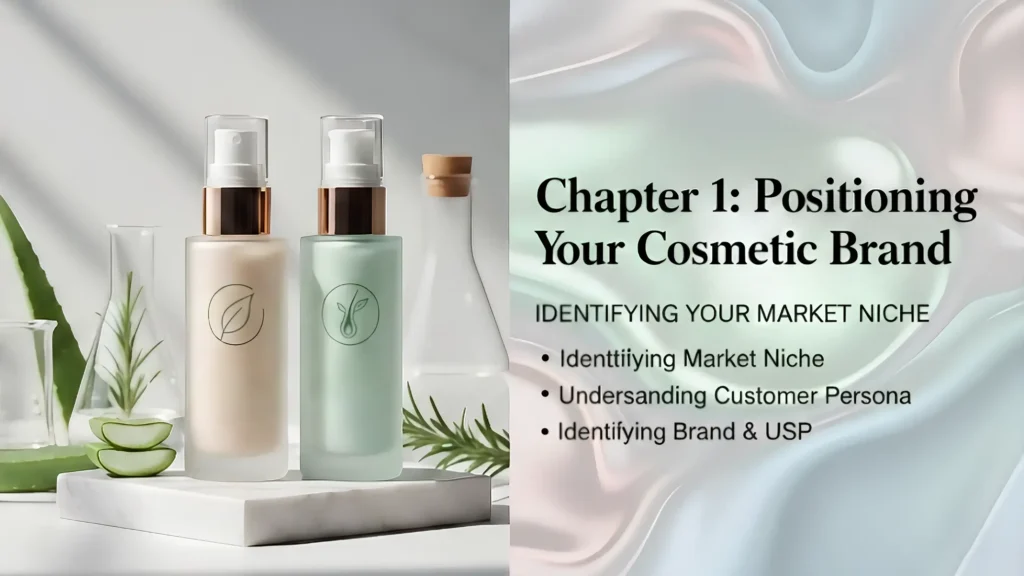
1. Identifying Your Market Niche
Before you start producing your products, you need to understand the cosmetics market. You should choose your market niche based on the unique strengths of your products. A clear niche helps you avoid competing directly with well-established brands and enables you to carve out your own space in the market. For example, if your products have strong advantages in sensitive-skin care, scalp treatment, or hair regrowth, these categories may serve as entry points.
2. Understanding Your Customer’s Persona
When you understand the market niche, you also need to know more about your customer persona, such as gender, age, and location. Most importantly, you should know their motivations, behaviors, and lifestyle. To gain deeper insights into your target customer, I recommend that you can analyze your competitors, followers on various social media, such as Instagram, TikTok, and X.
3. Competitive Analysis
Remember, someone is always ahead of the curve. If your cosmetics market niche is saturated, it may be best to reconsider your niche. If it is not, you can move on to analyzing your competitors’ products, including their ingredients, efficacy, packaging design, user coverage. and then gradually develop a clear differentiation strategy for your own products.
4. Identifying Your Cosmetic Brand and USP
Based on the insights above, identify your brand and define a Unique Selling Proposition (USP) that stems from various aspects, such as innovative ingredients, appealing packaging design, or solutions tailored to specific use cases.
For example, if your formulation is made with organic, plant-derived extracts, you can position your products as a clean, botanical option for consumers who value gentle, nature-based skincare. If you are unsure how to refine your USP, analyzing your competitors’ product descriptions is a good place to start.
Tips: Your brand positioning and USP will evolve over time. You should refine USP based on your competitors and market trends. However, it is still crucial to establish a clear overarching direction early on, as this foundation will guide your subsequent decisions in cosmetic product R&D and marketing strategy.
Chapter 2: Developing Your Unique Cosmetic Products
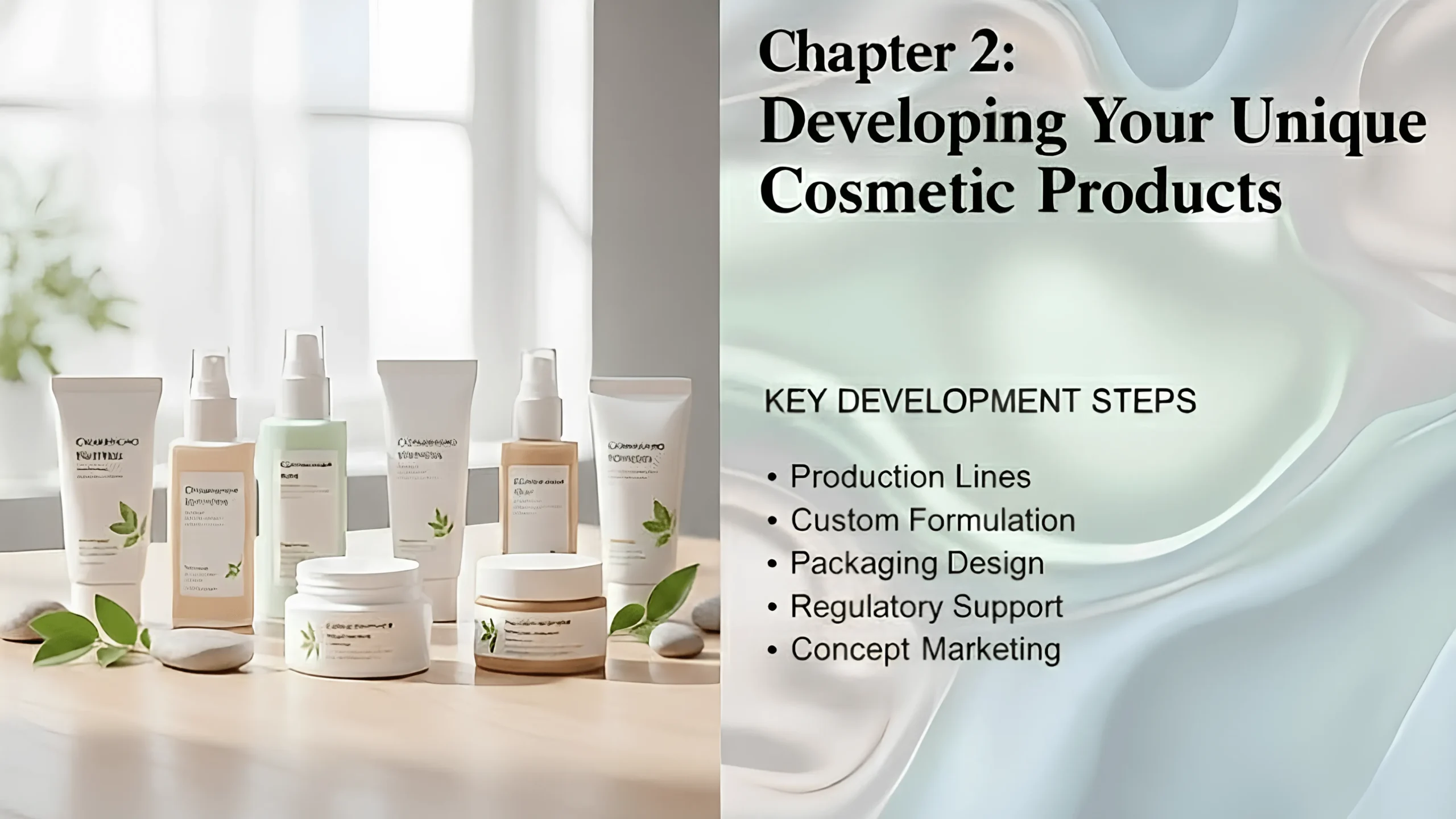
“The brand provides the value to the product while the product is the manifestation of the brand.” — Carissa Cosmetic. Once you have a clear direction for your cosmetic brand, the next step is product development:
1. Establishing Your Production Lines
It is recommended to initiate your market entry with a streamlined product collection to prevent escalating operational overhead and then focus on developing a few core hero products tailored to your brand positioning and target consumer needs. For instance, if your strategic focus is addressing oily hair concerns, you can launch 1–3 flagship products designed to resolve this pain point, such as a dry shampoo, dry shampoo powder, or an oil-control shampoo&
conditioner
2. Custom Formulation
Once your core product lineup is established, you may proceed with custom formulation tailored to diverse consumer needs, provided that safety and efficacy remain the prerequisites.
According to the 2026 Global Beauty Outlook released by BeautyMatter, we anticipate that consumers will prioritize brands dedicated to safe, effective, and bespoke formulations. They increasingly value personal expression over homogenization, ingredient stacking, or misleading marketing concepts. If you are uncertain how to decode consumer preferences, we recommend tools such as Fastmoss, Google Trends, and ChatGPT.
3. Packaging Design
. Efficacy and Aesthetics
It is essential to select a packaging design that is both aesthetically pleasing and label compliant for a better sale volume, purchase desire stimulation, and conveying your cosmetic brand image. If you can’t figure out how to design your packaging more aligned with the cosmetic market, contact a trusted cosmetic factory to help bring your concept into reality.
. Sustainability
Sustainability is trending in 2026. Recyclable material is preferred in the cosmetic industry, such as tinplate, aluminum, PET, PP, HDPE, glass, etc.
4. Regulatory & Compliance Support
As a trusted cosmetic factory, ISO 22716 and GMP are necessary, But If you want to promote your beauty brand in a specific market, it is essential to inquire about the following necessary qualifications on the cosmetic labeling. For example, FDA certification for the US market, while the Middle East (such as Saudi Arabia, UAE, Qatar, etc.) requires Halal certification. Additionally, you can also ask the beauty product supplier to provide SGS third-party testing report such as SGS. Finally, request a factory tour if necessary.
5. Concept Marketing and Performance Validation
It is advisable to substantiate your cosmetic concepts through rigorous performance validation. For instance, if you are launching a ginger-extracted shampoo, you must verify the efficacy of the raw materials and complete scalp sensitivity testing prior to marketing the concept. Furthermore, It’s essential to establish product training and assessment protocols for new marketing personnel against exaggeration.
Chapter 3: Establishing Cosmetic Manufacturing and Supply Chain
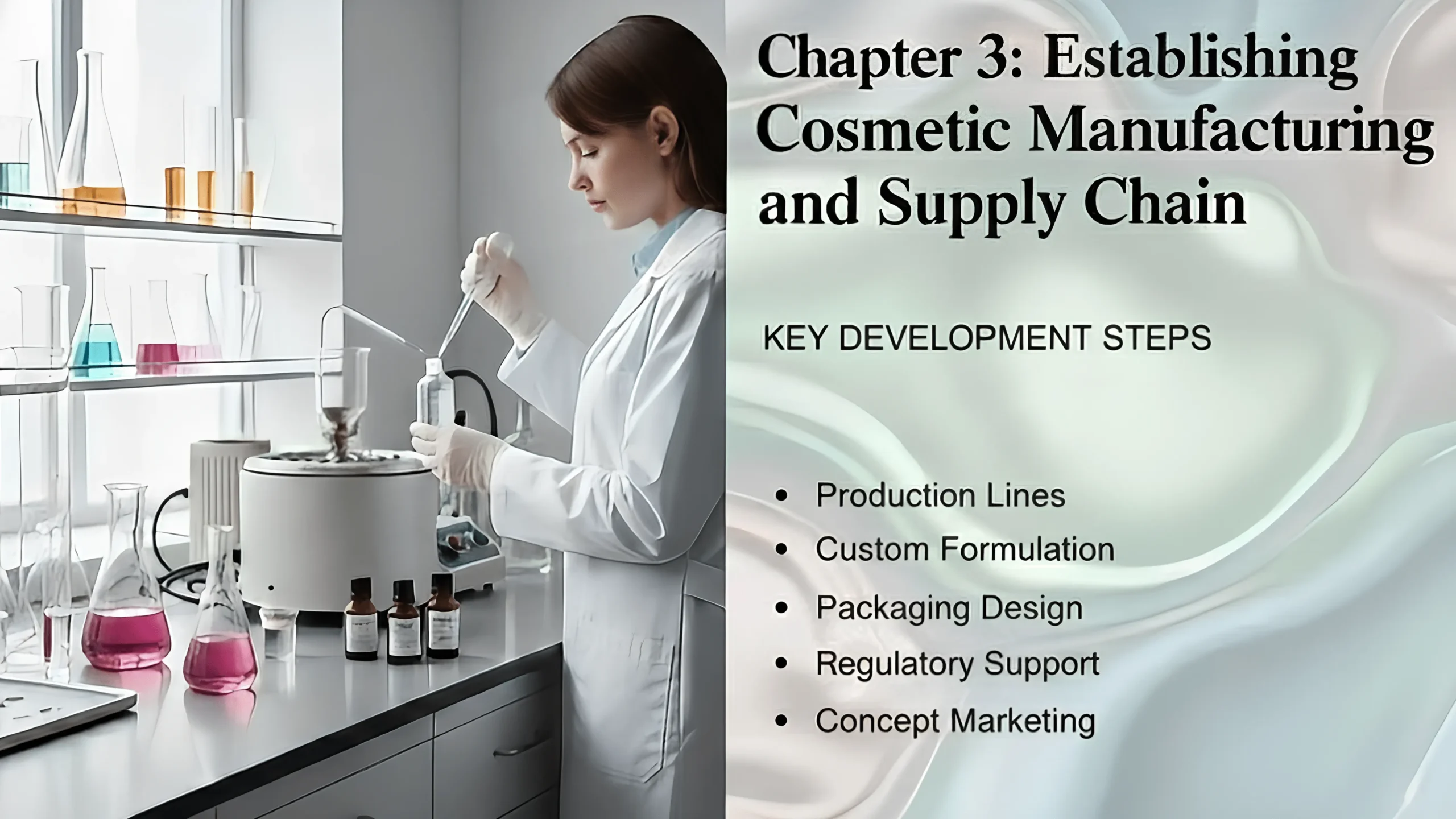
Provided a clear brand position, you should focus on mass production and delivery, involving expertise in manufacturing models and supply chain management.
1. Manufacturing Models
. Private Label Cosmetic
Private label cosmetic(OEM) refer to cosmetic products manufactured by private label cosmetics suppliers with their in-stock formulation, packaging, and cosmetic production lines, while you just label your brand to their products and then go into the market.
If you choose a cosmetics private label, you are beneficial to Low MOQ(no less than 500pcs), operational cost saving and fast delivery, which is suitable for marketing testing in the early stage. But a cosmetic private label implies that similar formulations may already exist, while production scheduling and QC processes are dependent on the beauty manufacturer’s expertise and integrity.
. Cosmetic Contract Manufacturing
Beauty contract manufacturing(ODM) enables you to customize your cosmetic products from scratch with significant technological barriers and strong product differentiation in the market. When collaborating with a cosmetic contract manufacturer, you need to provide your concept, and they will manufacture unique products according to your demand. But choosing cosmetic contract manufacturing means a larger MOQ(1000, 3000, and 5000 pcs) than that of private labeling , manufacturing cost and long production time.
In conclusion, we suggest launch private label cosmetic first to validate your market feasibility with a low cost in the short term for most new cosmetic founders. After that, if your brand or products have gained more word of mouth in the market, you can choose contract manufacturing to differentiate your products.
2. Supply Chain Management
. Raw Material and Packaging Sourcing
To secure a stable and high-quality supply of raw materials, it is imperative to establish a robust relationship with your suppliers, which means you should trade fairly with them in the long term. For instance, you should ensure timely payments, avoid last-minute modifications, and proactively share product performance and market feedback.
. Production Scheduling and Inventory Management
If you choose a private label cosmetic, it is essential to avoid your product‘s delay, which means you need to ask the cosmetic factory for production scheduling. If you opt for cosmetic contract manufacturing, you must factor in the additional time required for formula development, packaging material sourcing, and sampling.
I suggest establishing an inventory management system where an alert stock level is set for each SKU over the past 6 to 12 months. Once the stock quantity falls below the alert line, the factory needs to be notified to schedule production.
. Fulfillment Process
You need to be aware of the lead time and shipping details. For example, you need to confirm with the cosmetic factory the calculation method of lead time and every period from R&D, sampling, mass production, and shipping.
Besides that, you also clarify the transportation methods, the specifics of customer clearance and shipping insurance, which not only ensures on-time delivery but also reduces potential cost losses.
To prepare for contingencies, it is recommended to extend the lead time(typically 3 to 7 days) when you are listing new products or communicating with your customers.
All in all, establishing your manufacturing model and supply chain system may not garner the customer attention that marketing does, but they collectively constitute the operational backbone of your cosmetic brand. So, selecting a trusted and experienced cosmetics contract manufacturer is a critical step in ensuring the success of your beauty business.
Chapter 4: Multi-Channel Distribution Strategy
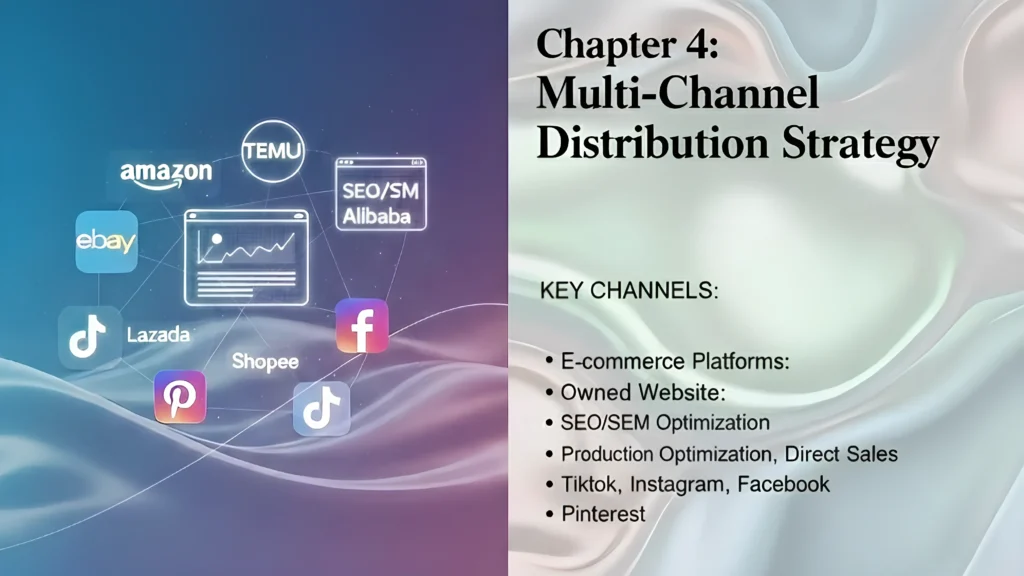
For most new cosmetic brand, we suggest listing your products in different e-commerce platforms such as Amazon, eBay, TEMU, Alibaba, Lazada, Shopee, etc. Additionally, you can build your website from scratch to promote your beauty brand, which is better for SEO and SEM.
It is also crucial to open your social media accounts to promote your products and keep in trend, such as TikTok, Instagram, Facebook, Pinterest, etc.
Chapter 5: Ready to Create Your Cosmetic Brand?
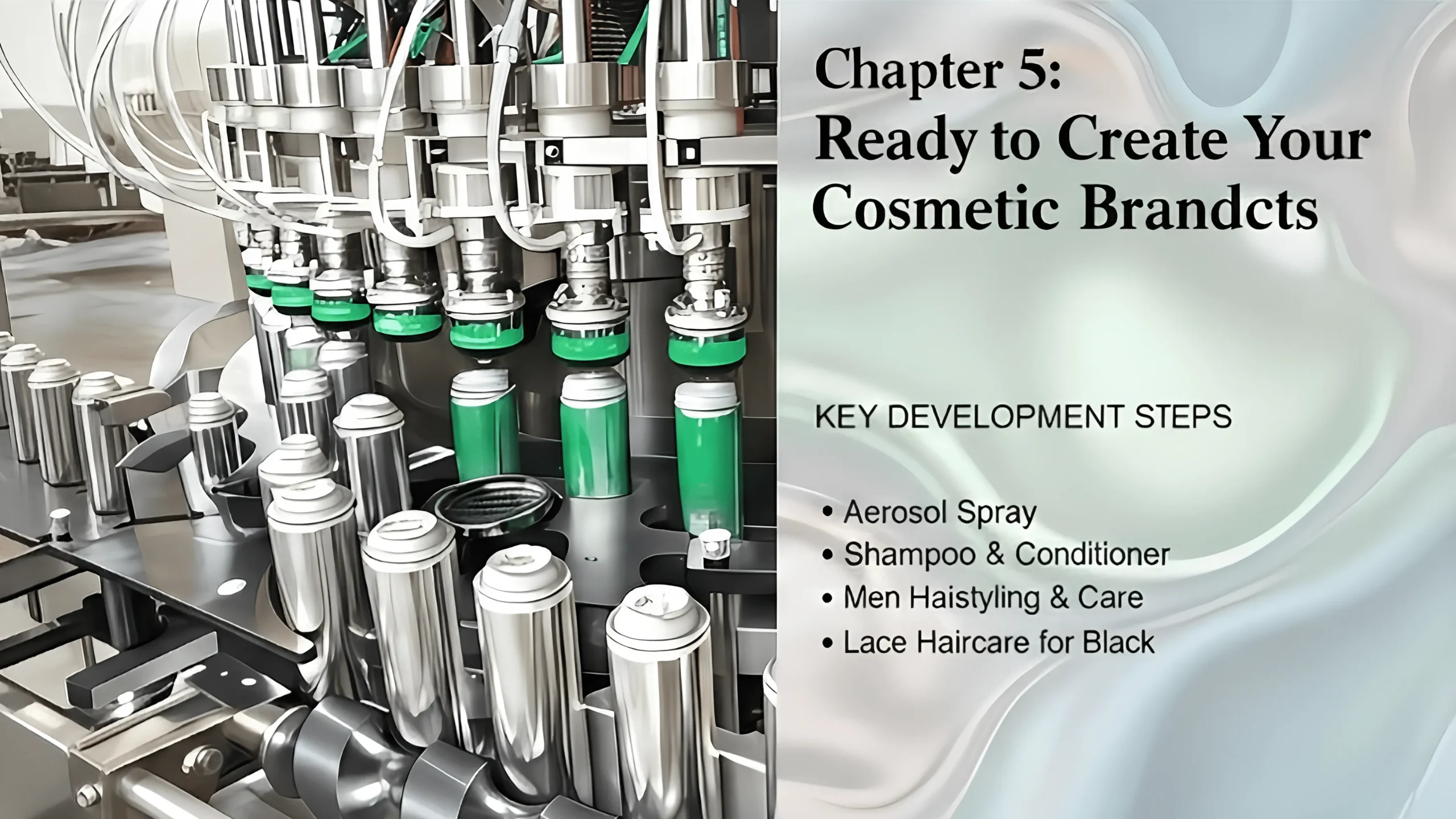
Finding a trusted and professional cosmetic manufacturer? You are in the right place. With 20 years of experience in the cosmetic industry, BEAUTRUE offers innovative cosmetic R&D, production, and sale of wash care, hair care, hair styling, skin care, and other speciality products with low MOQ for our global customers.
Want to create your unique cosmetic brand or further expand your global market share? We are here to make it happen.