Introduction:
Why do cosmetic MOQ vary across different beauty products? For startup beauty brands, excessive MOQs represent more than just a high barrier to market entry, which directly stifle capital turnover.
How can a startup beauty brand find the optimal path to launch beauty products more cost-effectively? This article will deconstruct the underlying logic of MOQ determination and provide a strategic roadmap to bypass prohibitive initial investment costs.
Chapter 1: What is Cosmetic MOQ?
MOQ (Minimum Order Quantity) refers to the lowest volume that cosmetic manufacturers are willing to accept and schedule for production. If an order falls below this specified threshold, the cosmetic factory often fails to cover its R&D and manufacturing overheads. This typically results in order rejection, increased unit pricing, or the need for alternative solutions.
Chapter 2: What Factors Influence Cosmetic MOQ?
1, Raw Material Sourcing
Here are following factors that affect cosmetic MOQ:
-Rising Raw Material Costs
For formula supplier, the prices of base chemical ingredients—such as glycerin, oils, and active compounds—fluctuate seasonally based on market supply and demand. When these costs surge, profit margins on the bulk formula are quickly eroded. To offset these rising expenses, formula supplier often resort to imposing higher MOQ or increasing overall procurement prices to distribute the cost burden.
– Shelf Life
Generally, raw material MOQ often exceed the actual volume needed for a single batch. Unlike stable commodities like petrolatum or glycerin, which have a shelf life of 2–3 years. Conversely, active compounds like Retinol and Peptides enter their Efficacy Half-Life once exposed or emulsified.
To mitigate the financial risk of expired inventory, beauty factory must set MOQs that ensure the entire batch of raw material is consumed in a single production cycle.
– Inventory Risks
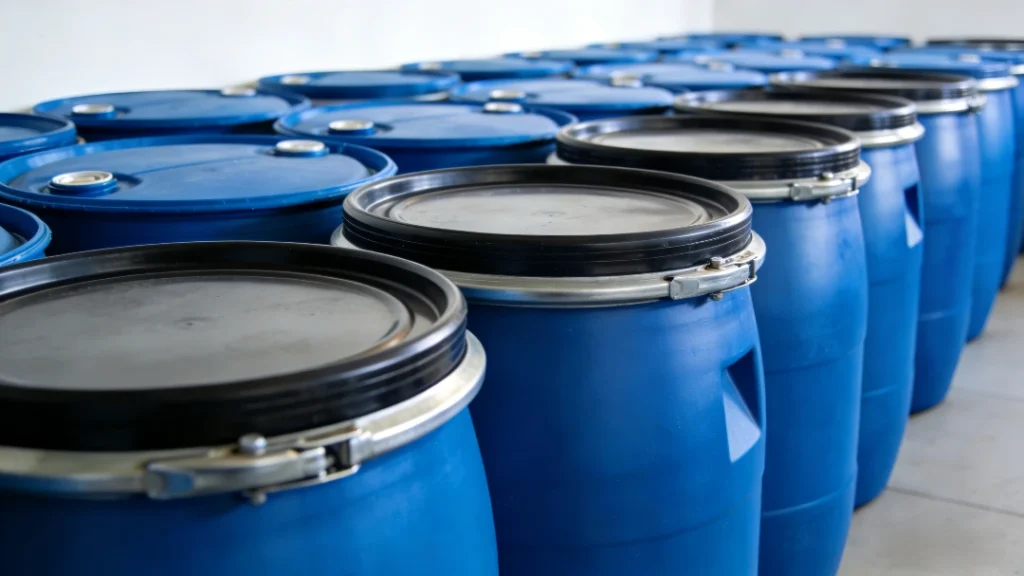
Since exclusive ingredients cannot be sold to other clients, raw material suppliers must mitigate the risks of inventory buildup and spoilage associated with customized components. To achieve this, they set formulas MOQ that cover their entire production batch, meaning that cosmetic manufacturers must commit to a “full batch buyout” solution. To hedge against material costs and inventory risks, they often raise products MOQ to ensure these specialized materials are fully consumed before expire.
For instance, if cosmetic factory orders a batch of body wash custom formulation (typically in 25–60L drums) and you only order 100 units at 500ml per bottle, that only accounts for 50L of the formula. This leaves 10L of wasted material.
– Cosmetic Packaging & Production Processes
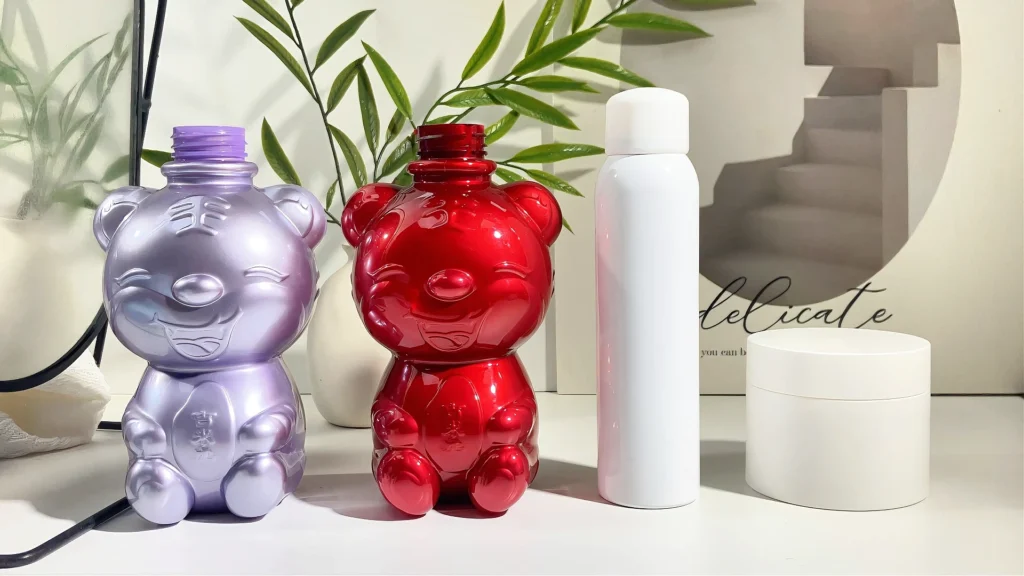
For beauty brands with special requirements, opting for private molds entails significantly higher MOQ due to the substantial investment required for mold fabrication and machine calibration. Conversely, utilizing public molds (standard stock packaging) allows for low MOQ cosmetic because cosmetic manufacturers can either source ready-to-ship stock or use existing molds for production before filling, which simultaneously shortens the lead time.
Printing MOQs also dictate marginal costs. Every run requires machine calibration, which means that if you only order 500pcs, the factory can’t cover labor and equipment cost during the production.
Note: Typically, Current market standards for silk-screen printing require MOQ of 3,000–5,000 units. However, by partnering with an experienced cosmetic manufacturer with strong supply chain integration, you can often secure much more flexible terms, with MOQs ranging from 1,000 to 5,000 units.
2, Production Efficiency & First-Pass Yield
1) Production Scheduling
Cosmetics manufacturing relies on efficient and scale production. To maintain line efficiency and profitability, cosmetic manufacturers must amortize fixed costs per batch—including changeovers, cleaning, quality inspections, and downtime losses. Therefore, the cosmetic MOQ vary according to their operating cost.
2) Quality Control & First-Pass Yield
It is an unavoidable physical constraint that automated production lines require a ramp-up period because it takes time for machines to stabilize. Cosmetic manufacturers must set a minimum order size just to get past the initial ‘Glitchy’ phase. If an order is only 500 units, the resulting scrap rate can account for up to 10% of the total, leading to a surge in unit production costs. However, once the equipment reaches a steady state through higher cosmetic MOQ, the overall loss rate drops to below 5%.
To address this, some factory with flexible production capacity utilize Batching solution by grouping small orders with larger ones of the same specifications. Featuring time and cost saving, it allows smaller orders to benefit from a production line that is already running in a stable, long-term state, which considerably reducing the defect rate.
3, Regulatory Compliance Expenditures
Cosmetic Regulatory compliance is an absolute prerequisite for global market entry. Cosmetic manufacturers will invest more fund in stability, preservative and safety testing, which typically cost $2,000 to $5,000 per set. By producing with higher cosmetic MOQ, these testing expenditure can be amortized; Conversely, low volumes result in a higher unit price. Therefore, beauty manufacturers tend to adjust MOQ based on their cost structure.
PS: Low-capacity cosmetics manufacturers often operate without standard GMP certifications and may be unable to provide essential export documentation, such as the Certificate of Free Sale (CFS).
Chapter 3: An MOQ Strategy: How to Launch Cosmetic Business on a Budget?
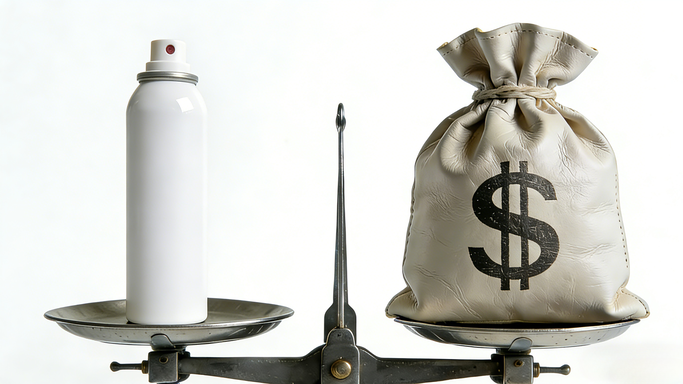
If you’re a beauty newcomer ready to launching beauty business, skip the big-name factories with sky-high MOQ. Instead, look for “boutique” manufacturers with flexible manufacturing capabilities and they are more willing to being a long-term strategic partner with you. Here are my top professional tips on product strategy and supplier selection:
1, Formulating Product Strategy
– Prioritize Proven Formulas
Instead of investing heavily in custom R&D from scratch, beauty startups should prioritize selecting from a proven formula library. These formulas have already undergone 3–6 months of stability testing and come with established market certifications. Remember to leverage existing base materials significantly reduces R&D expenses and bypasses raw material MOQ restrictions.
– Choose Stock Cosmetic Packaging
Custom cosmetic packaging inevitably leads to higher MOQ and extended lead times. For startups needing to validate market fit, stock cosmetic packaging is your best choice because it can significantly lowers packaging MOQs and shortens the procurement cycle.
– Tiered Pricing
Startups must embrace the reality: lower cosmetic MOQ mean higher unit costs. Tiered pricing protects your cash flow and prevents dead stock from overproduction.
– Focus on a “Hero Product”
Instead of diluting your budget across multiple SKUs, concentrate your resources on developing a single “Hero Product.” By consolidating resources on a single SKU, you can benefit from production priority and more supply chain leverage because of a large cosmetic MOQ.
2, Partner with a Reliable Reliable Cosmetic Factory
– Production Capacity
Evaluate the production line configuration to confirm its flexibility for small-batch runs( typically 1,000-3,000 units). Compared to high-volume mass production lines, flexible manufacturing offer superior efficiency during changeovers. This can reduce the queuing time for small orders and minimizes the amortized setup costs for machine calibration.
– Proven Formulas
Assess the robustness of their formula library. A mature library should not only offer a diverse portfolio of categories (e.g., 200+ base formulations) but must also provide comprehensive stability data, including freeze-thaw, heat resistance, and centrifuge testing reports.
– Cosmetic Packaging & Technical Support
A professional cosmetic manufacturers should offer you custom cosmetic packaging design perspective for you. Furthermore, With deep supplier networks, these cosmetic manufacturers can often assist brands in sourcing stock packaging that balances premium aesthetics with cost-efficiency, achieving a “win-win” for both quality and budget.
– Stringent Quality Control
Beyond the essential GMPC and ISO 22716 certifications, pay close attention to their quality assurance (QA) protocols for small-batch orders. This includes first-piece inspections (FPI), in-process spot checks, and batch-specific sample retention for traceability. These measures ensure that even small-scale production provide same stable and high quality as international big name.
– Rapid Response & Strategic Partner
Product development and manufacturing is a marathon that requires deep strategic partnership between you and the factory. You must critically evaluate their coordination across the entire end-to-end supply chain—from planning, R&D, production, and logistics. Besides that, It is essential to evaluate their agility in responding to supply chain fluctuations or urgent market feedback.
Chapter 4: Looking for a Startup-Friendly Beauty Factory? We Are Your Partner in Growth
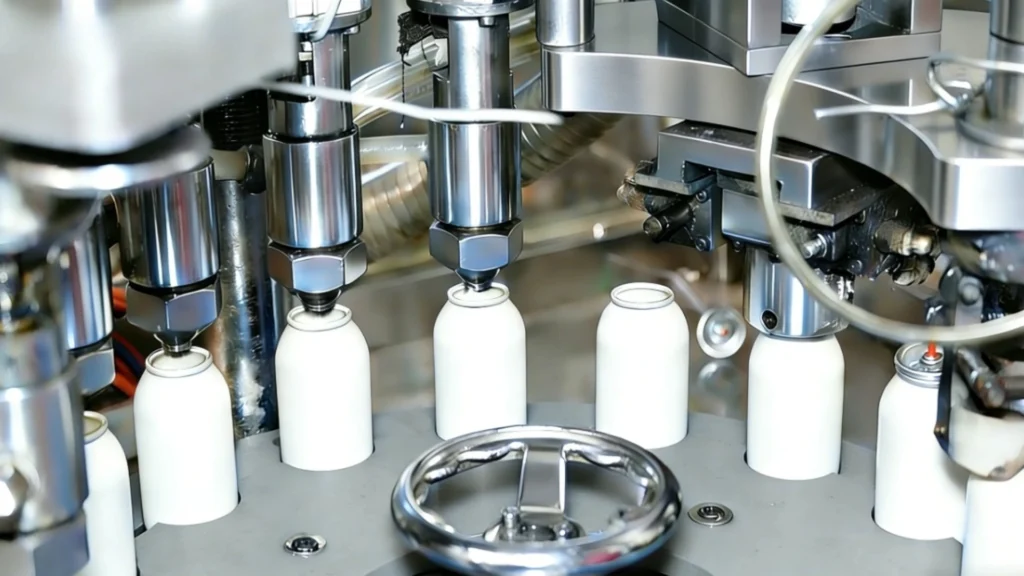
With over 20 years of experience at Carissa Cosmetics, we’ve seen countless entrepreneurs prioritize low costs over GMP certification, only to have their products seized by customs during export. We believe that global compliance isn’t just a requirement—it’s the ultimate protection for your investment.
Drawing on over two decades of industry expertise, we are dedicated to empowering beauty startups through our specialized ODM / OEM services with low cosmetic MOQ. We provide a closed-loop solution ranging from global regulatory compliance and innovative R&D to flexible manufacturing, ensuring your cosmetic brand achieves a lean startup launch and rapid expansion without compromising on quality consistency.
Ready to launch your beauty business? Contact our beauty expert today to get your custom beauty solution!
From CARISSA Cosmetics, I’m a cosmetic design expert in this field for more than 20 years. We offer private labeling and contract manufacturing for various cosmetic products, including aerosol spray, shampoo & conditioner, hair styling & care, and more. Ask for a quote for your ongoing beauty business now!