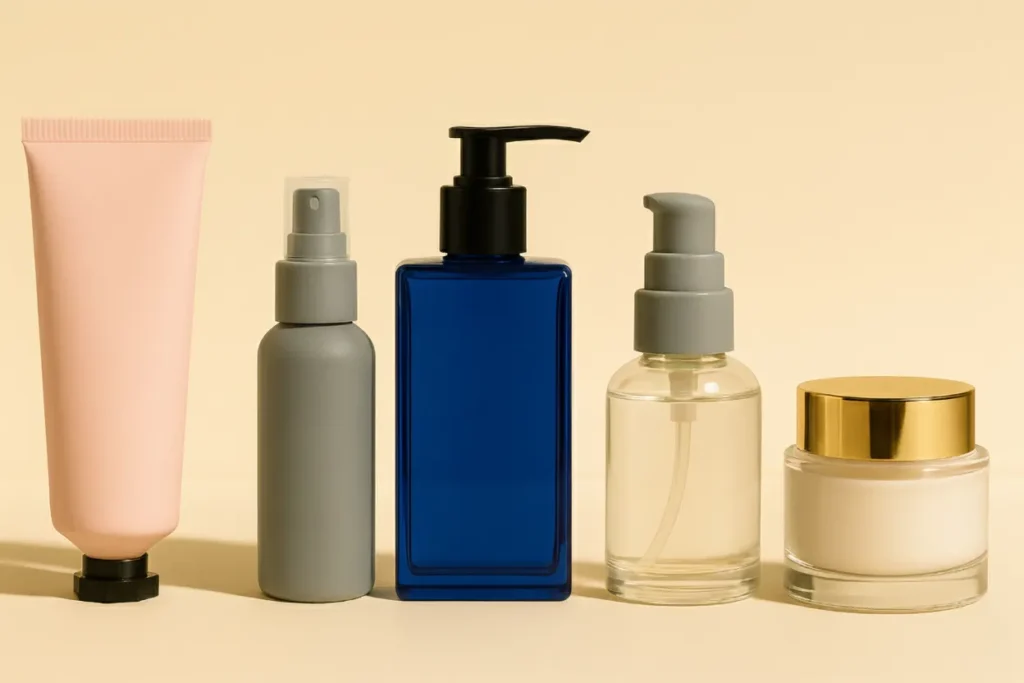
Introduction: Customers always prioritize the packaging of cosmetic, which not only stimulates their desire to buy, but also conveys our brand philosophy to them. Therefore, the more attention your customers pay, the more sales volume your product reaches.
In this guide, I will give you suggestions and notes to teach you how to create a unique packaging design, ensuring your products stand out in the market.
Chapter 1: Why Packaging of Cosmetics Matters More Than You Think
1. What is the Packaging of Cosmetic?
Cosmetic packaging refers to all external materials, container cosmetic, and labeling used to house the formulation, which is not only utilized for marketing purposes, but for conveying critical information such as efficacy, formulation, and precautions.
2. The Function of Packaging
– Protection
Crucial for safeguarding the contents and preventing them from being compromised by external factors such as light exposure, moisture, contamination, and temperature fluctuations.
For instance, hypochlorous acid (HOCl) cleansing sprays are volatile and must be protected from light. Therefore, Dark or opaque packaging materials are required.
– Information
As cosmetics are composed of various chemical ingredients, the packaging of cosmetics must be labeled with the formulation, precautions, and usage for each item. This ensures consumers can identify the efficacy and understand how to use it properly.
– Conversion
Attractive packaging design is essential for capturing consumer attention and highlighting the key selling points. The former helps customers spot your product among countless options, while the latter guides them toward making the final purchasing decision.
Chapter 2: Create Your Cosmetic Packaging with Cosmetic Manufacturer
1. The Structure of Cosmetic Package
After planning to launch your cosmetic business, Cosmetic packaging design companies will assist you in designing your best cosmetic packaging. The following factors should be considered when designing your cosmetic layout:
– Primary Packaging
This refers to the components that come into direct contact with the content, such as the bottles, caps, stoppers, gaskets, compacts, etc, which are designed to prevent the content from being exposed. Furthermore, chemical stability is crucial to prevent secondary contamination. In conclusion, we recommend chemically stable materials like PET, PP, and glass.
– Secondary Packaging
This includes materials that do not come into direct contact with the product, such as gift boxes, sleeves, outer transparent covers, and so forth. Their primary function is to enhance the aesthetic appeal.
– Tertiary Packaging
Most cosmetic packaging design companies utilize robust, shock-resistant materials—such as hard-shell cartons, inner trays, and void fillers—to prevent product damage during shipping.
2. Choose A Suitable Material
As a professional cosmetic manufacturer, we typically offer a wide range of packaging materials. The challenge, however, is how to select the ideal container for your specific product. Here are some considerations for your reference:
– Plastics
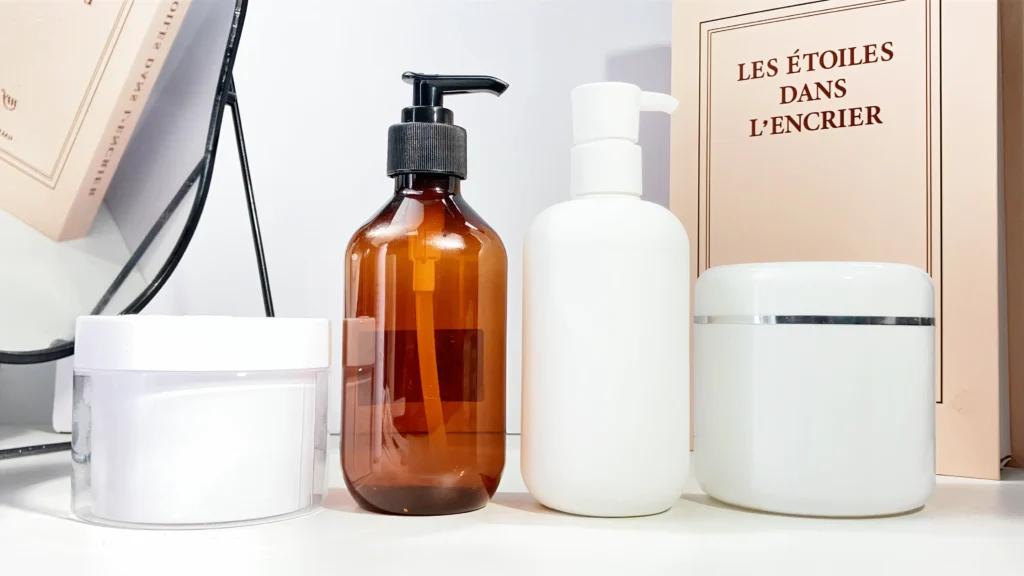
Common plastic packaging includes PP, PET, HDPE, and acrylic, all of which have been validated as food-grade materials. However, suggest choosing suitable packaging of cosmetics based on chemical stability and aesthetic appeal. For instance, a highly oxidizing ingredient like hypochlorous acid (HOCl) is unsuitable for PE but works well with PET and HDPE. Alternatively, if a customer requires custom matte plastic packaging, PP over PET. But HDPE is better.
If you are looking to customize your beauty product, we suggest consulting a professional cosmetic manufacturer for detailed information
– Metals
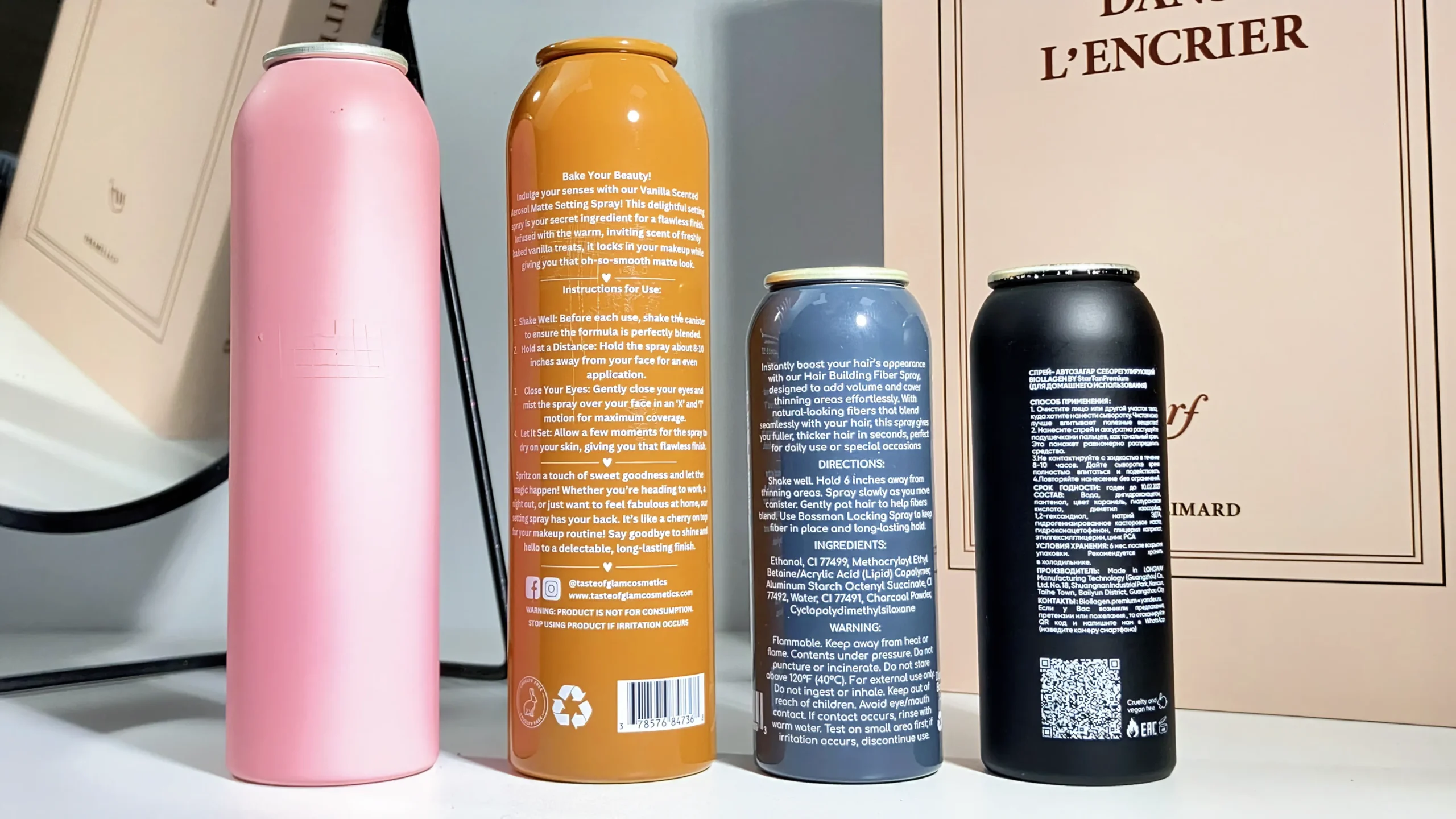
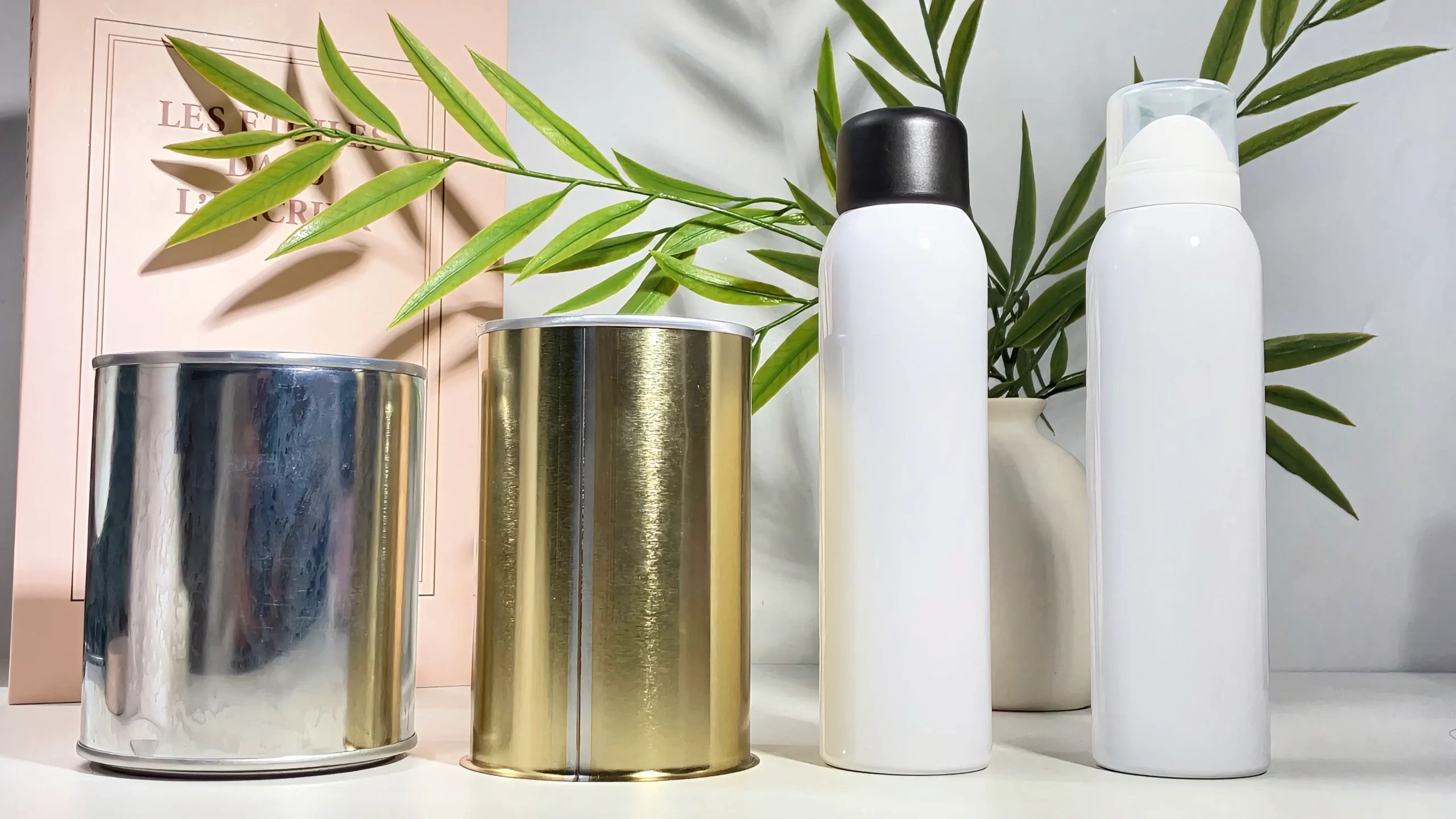
Metals offer excellent barrier properties against light, oxygen, and moisture, making them ideal for formulations requiring high stability. Currently, the most common options are tinplate and aluminum alloy, particularly for aerosol products (e.g., hairspray, setting sprays).
Metal packaging is not only lightweight and portable but can also withstand internal pressure, representing a mature solution in the current cosmetic industry. However, chemical formulations containing acids or salts require rigorous testing before launch to ensure product stability
– Glass
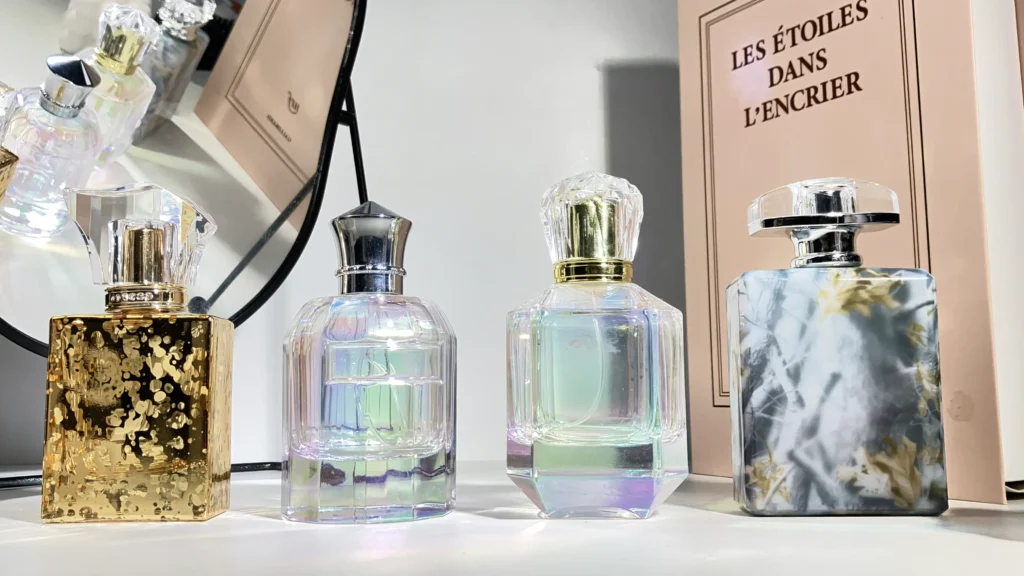
Glass packaging, available as clear or frosted glass, enhances the premium feel and allows consumers to see the contents. Consequently, it is widely used in high-end skincare package design for items like serums, essential oils, and perfumes. But the drawback is obvious – Fragile, heavy, and prone to slipping. Anyway, you must choose appropriate packaging of cosmetics based on your product positioning.
– Cardboard
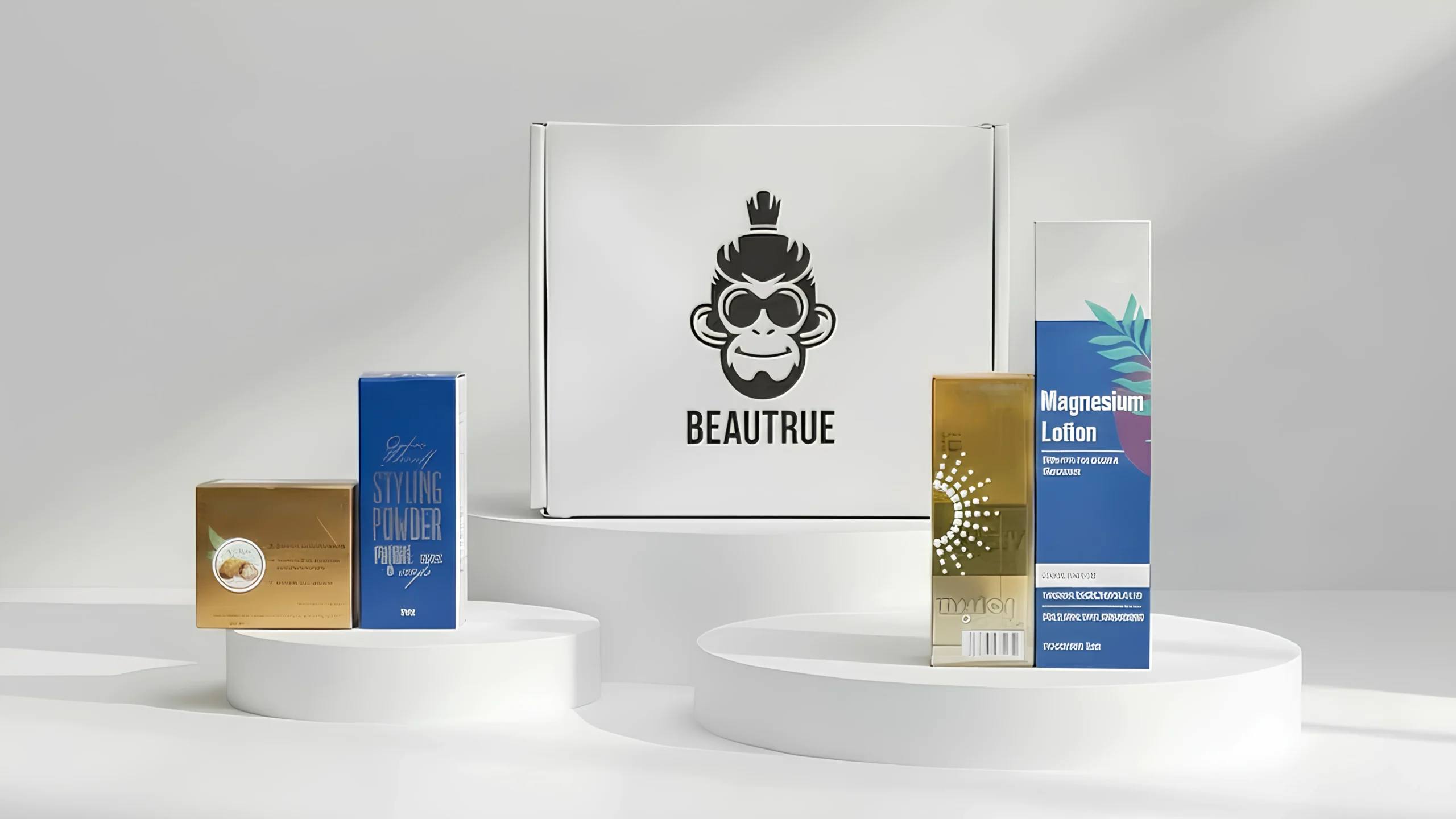
Commonly used for external boxes, cardboard serves to enhance marketing efforts and increase aesthetic appeal. Additionally, the outer box provides extra protection for the primary container cosmetic.
3. Selecting the Ideal Actuators and Caps
For different cosmetic applications, selecting the appropriate actuator is crucial. A flexible cosmetic manufacturer typically offers a diverse range of packaging solutions to meet specific product requirements.
-Actuators
Aerosol Actuators
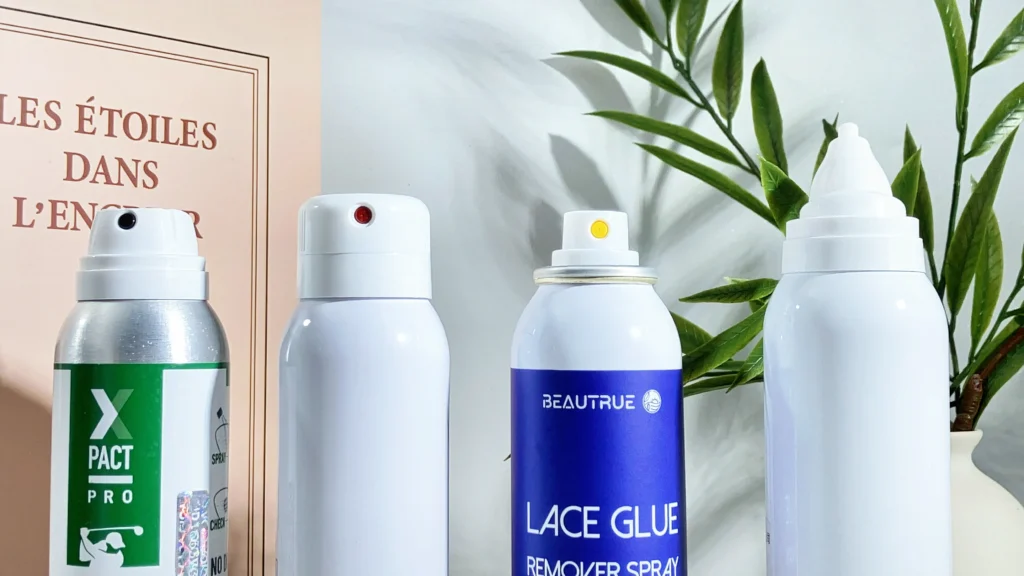
When the actuator is pressed, the propellant (such as propane, isobutane, dimethyl ether, or nitrogen) forces the powder or liquid through the nozzle at high speed. The liquid is then sheared at the orifice and atomized into fine droplets. Aerosol spray features the convenience of use and wide-area coverage, and actuators are generally categorized into liquid and powder variants:
.Liquid Sprays: Suitable for low-viscosity liquids (e.g., hairspray, makeup setting spray, lace wig spray). The valves and internal channels for this structure are relatively narrow, often featuring integrated swirl chambers or guide grooves to shear the liquid into a fine, uniform mist at the orifice.
.Powder Sprays: Designed for systems containing large solid particles or high powder concentrations (e.g., golf ball marker spray, dry hair shampoo, hair identifier). These products utilize larger valve openings and wider internal channels to prevent powder accumulation and clogging.
Therefore, when selecting aerosol packaging, it is imperative to communicate the specific application of your product with your contract manufacturer.
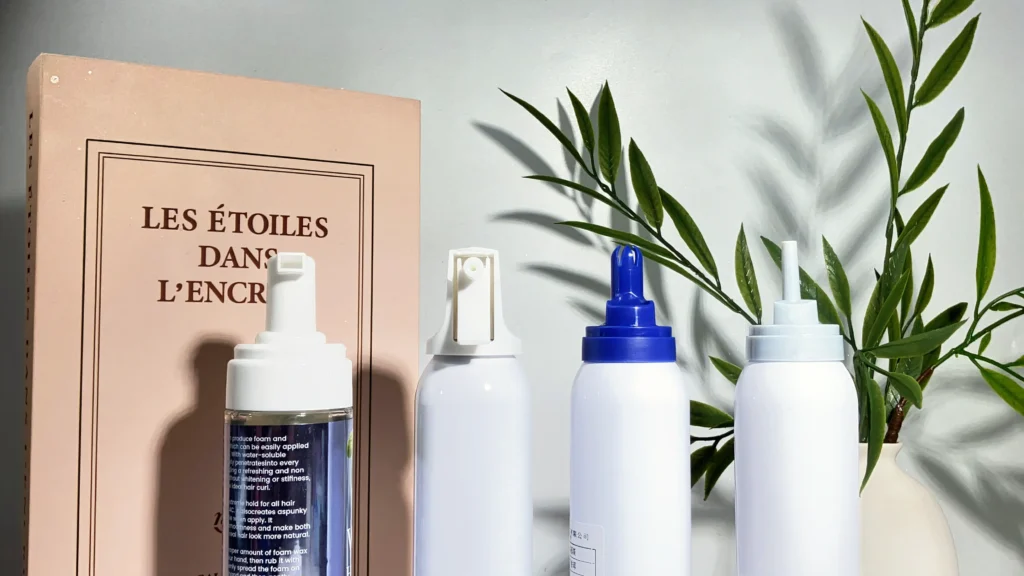
Mousse/Foam Actuators
This mechanism forces the mixture of liquid and air through a mesh filter upon activation to generate a high volume of fine, creamy foam. It is ideal for low-irritation skincare and personal care products, such as cleansing mousses, hair styling mousses, and children’s bath foams.
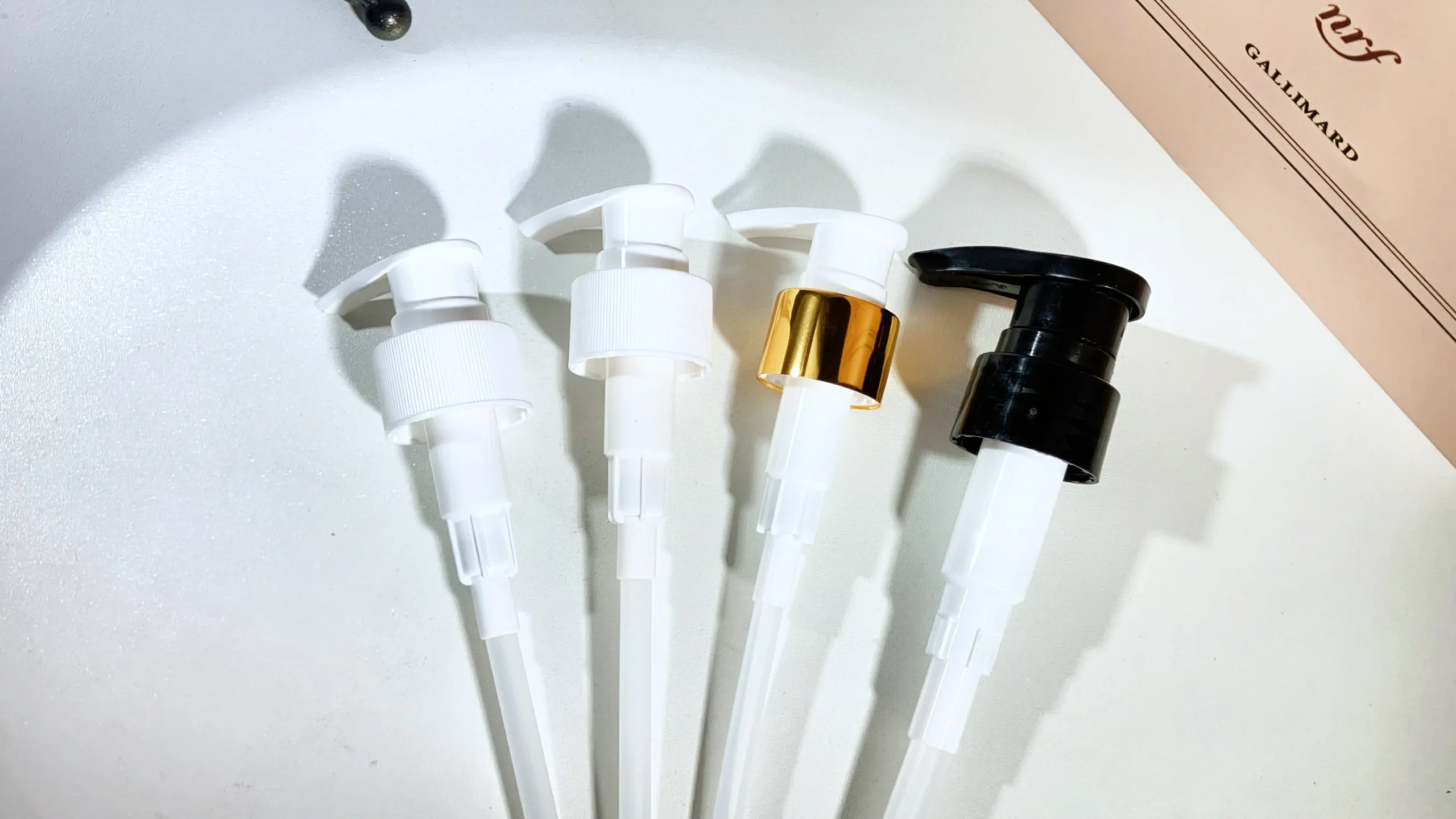
Lotion Pumps
These pumps are characterized by consistent dispensing, utilizing a
manual press mechanism to extract lotion from the container. They are ideal for high-viscosity, non-atomizable formulations such as shampoos, body washes, sunscreens, and hand soaps. For premium beauty products, we recommend Airless Pumps to prevent air backflow, which can lead to product oxidation or contamination. Conversely, if a more cost-effective solution is required, the Standard Lotion Pump is the recommended choice.
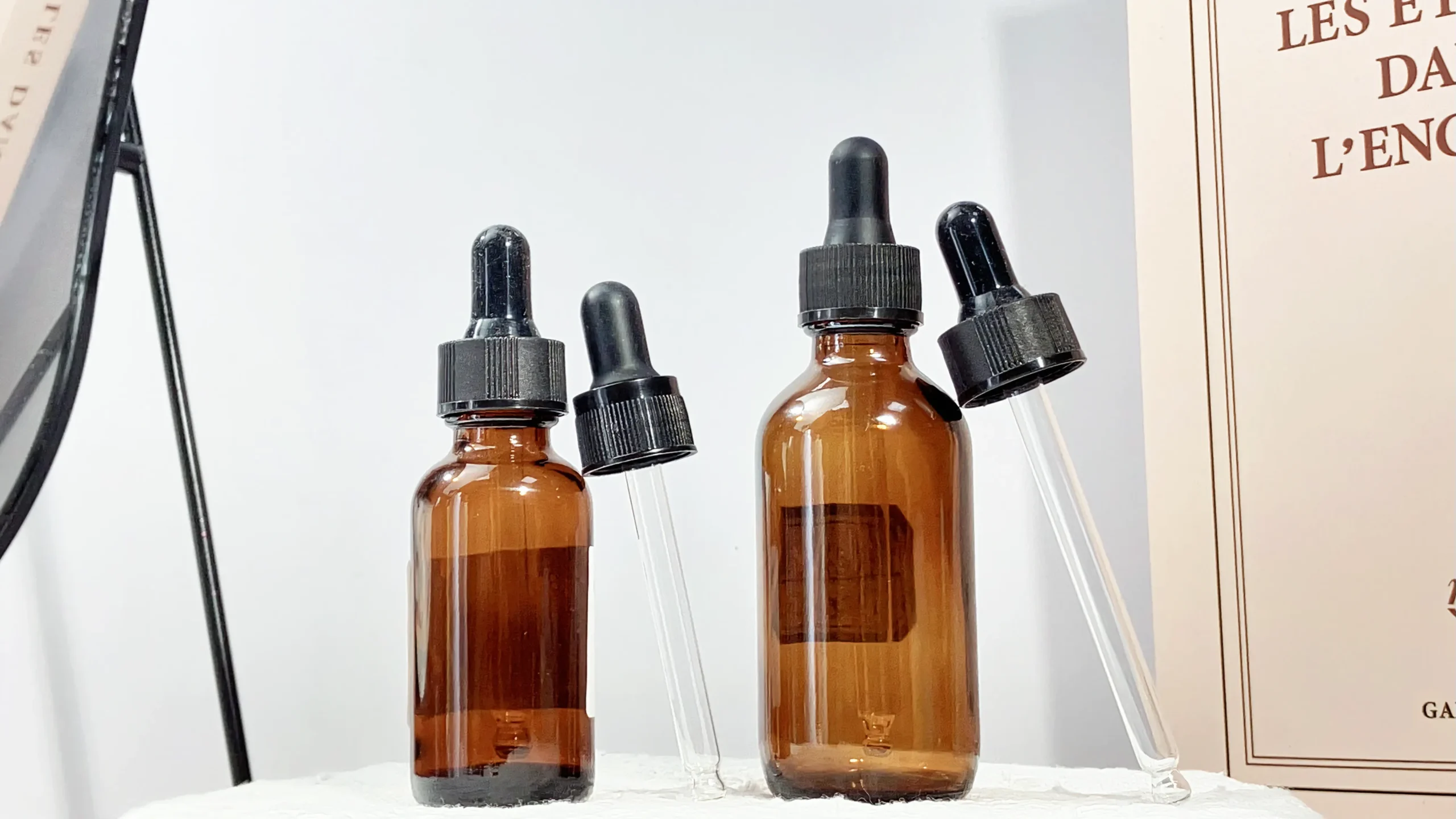
Droppers
Featuring a precise dosage control, the contents are drawn and dispensed by pressing a rubber bulb. This format is ideal for liquid formulations such as essential oils and serums.
When designing dropper packaging cosmetic, it is essential to ensure that the dropper length is precisely matched to the bottle height. Furthermore, the compatibility between the dropper materials (including the rubber bulb, glass, or plastic tube) and the formulation must be verified to prevent deformation caused by prolonged exposure to solvents.
– Actuator Caps
Transparent / Opaque Caps: Beyond their functional role in preventing dust and accidental activation, caps significantly impact the product’s visual presentation. For enhanced customization, opaque caps allow for the application of brand-specific or metallic colors to strengthen brand identity, making them ideal for premium beauty products.
Self-Locking Caps: The function is to prevent accidental spraying and enhance safety during portability and transit. There are currently two main solutions: Capped Self-Locking Actuators and Capless Self-Locking Actuators
| Solutions | Description | Advantages | Image |
| Capped Self-Locking Actuators | By pressing or rotating movements to switch states | Superior leak prevention for handbag portability | 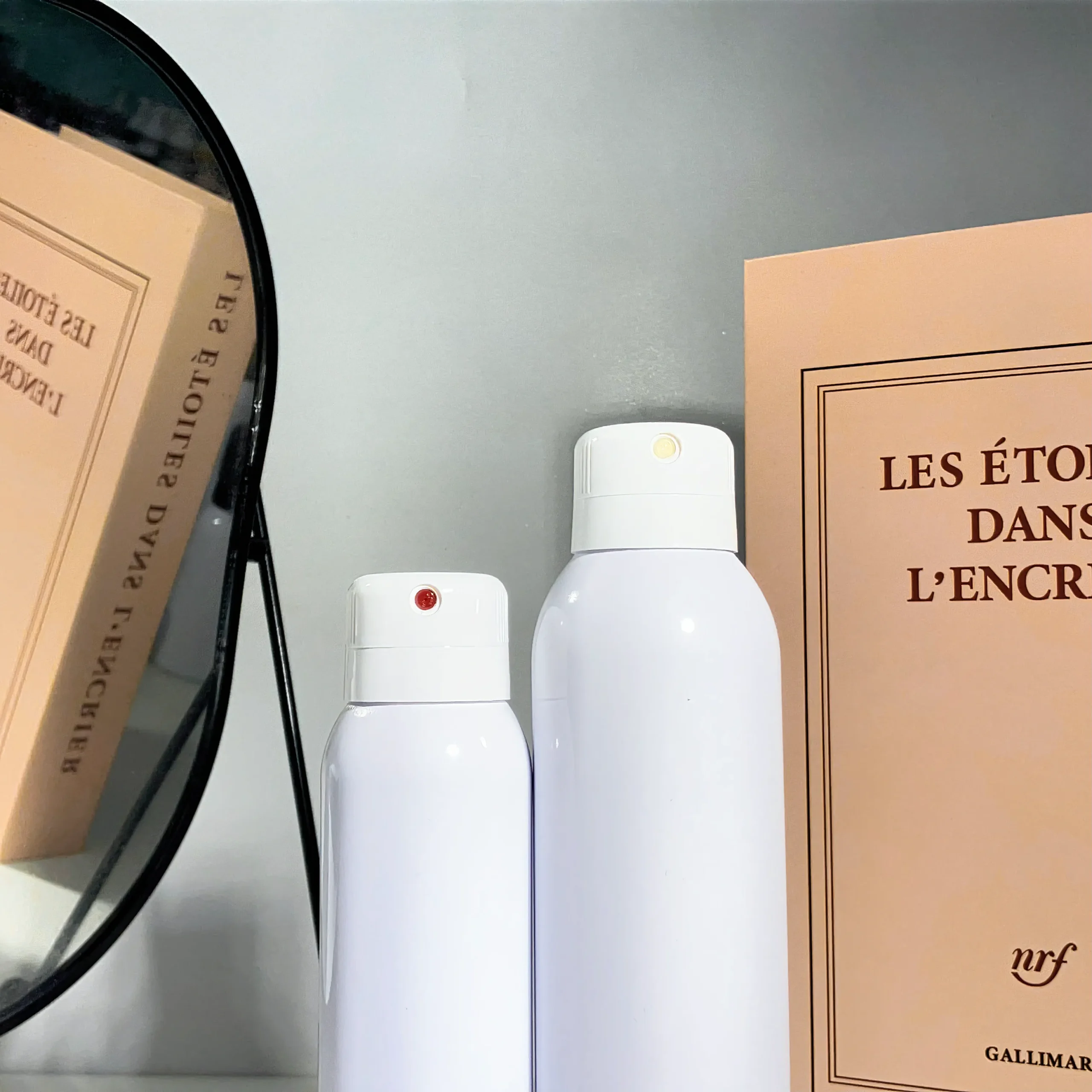 |
| Capless Self-Locking Actuators | Integrated twist-lock mechanism, indicated by “OFF/ON” icons | More compact and streamlined design | 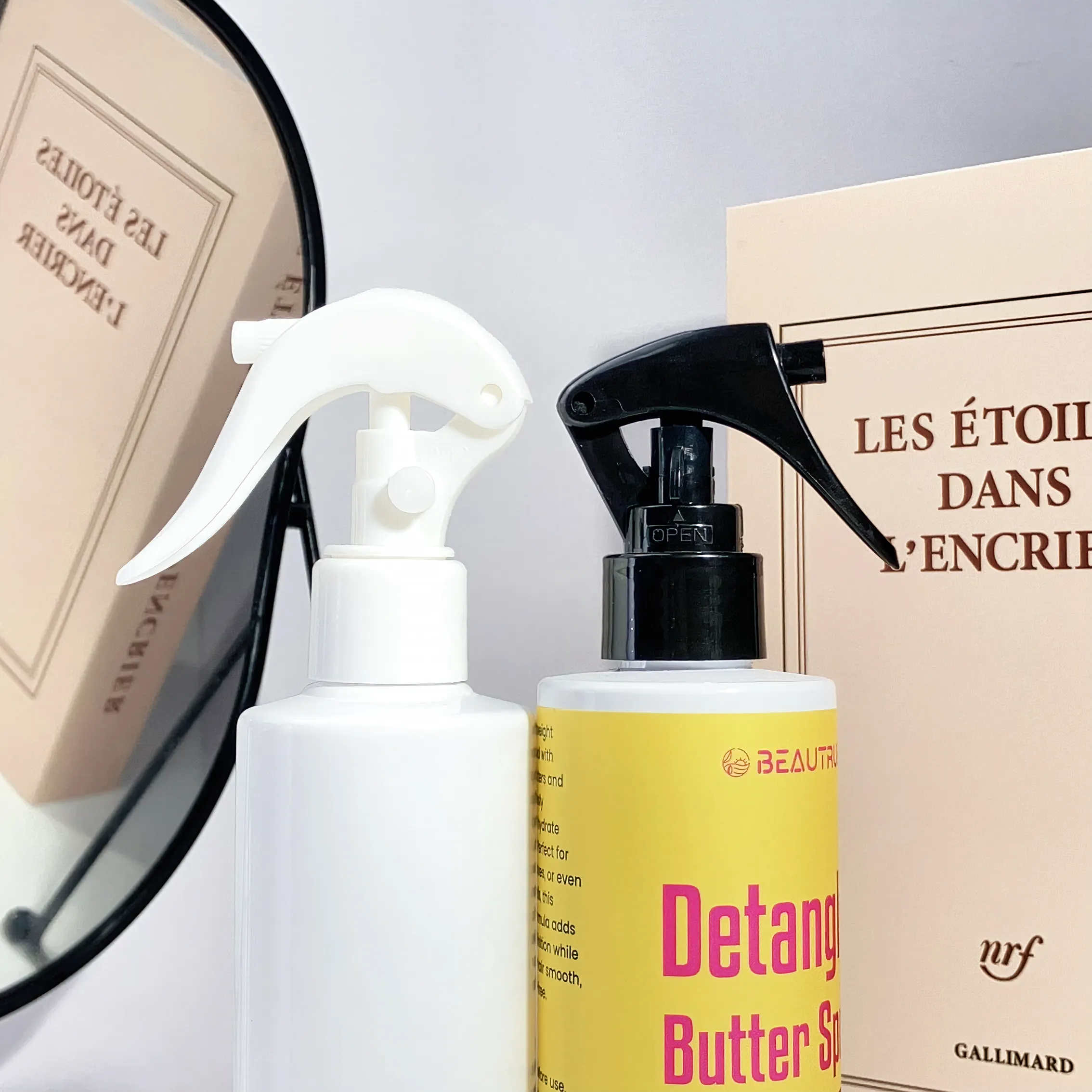 |
4. Printing and Coloring Techniques
-Printing
| Techniques | Advantages | Disadvantages | Image |
| Silk Screening | Superior durability and scratch resistance with high-fidelity print quality. | Maximum of 4 colors;Less favorable for small-batch orders due to high setup overheads. | 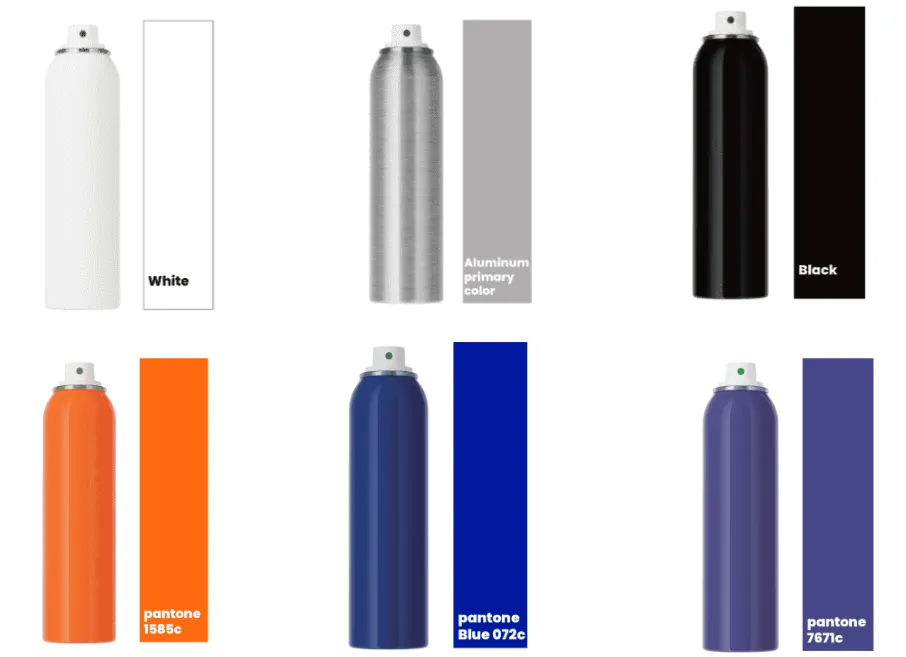 |
| Labeling | Cost-effective for small-batch orders and startup phases. | Prone to wear and tear over extended periods. | 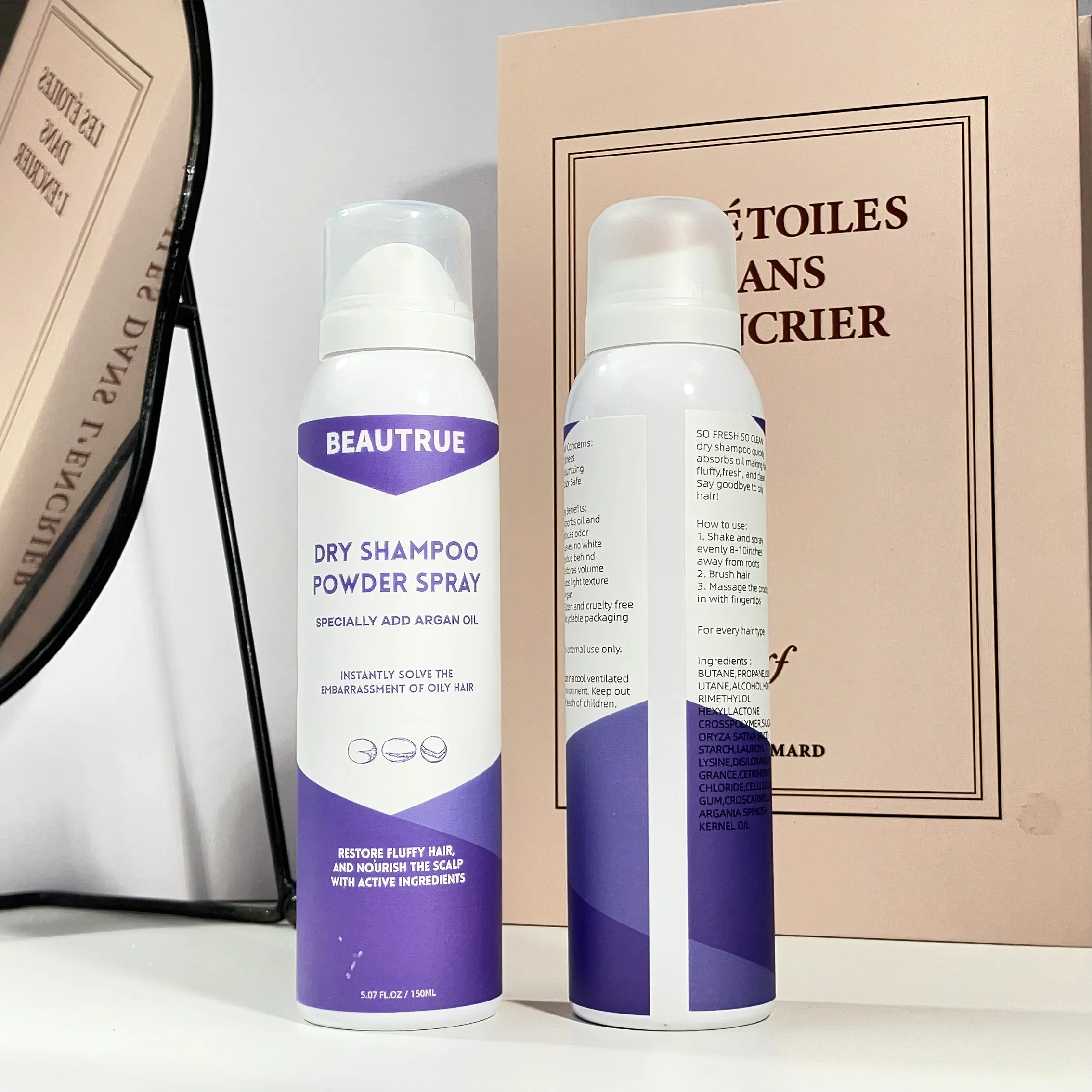 |
| Shrink Sleeve Film | 360°coverage; available in both matte and glossy finishes. | Maximum of 4 colors; Less favorable for small-batch orders due to high setup overheads. | 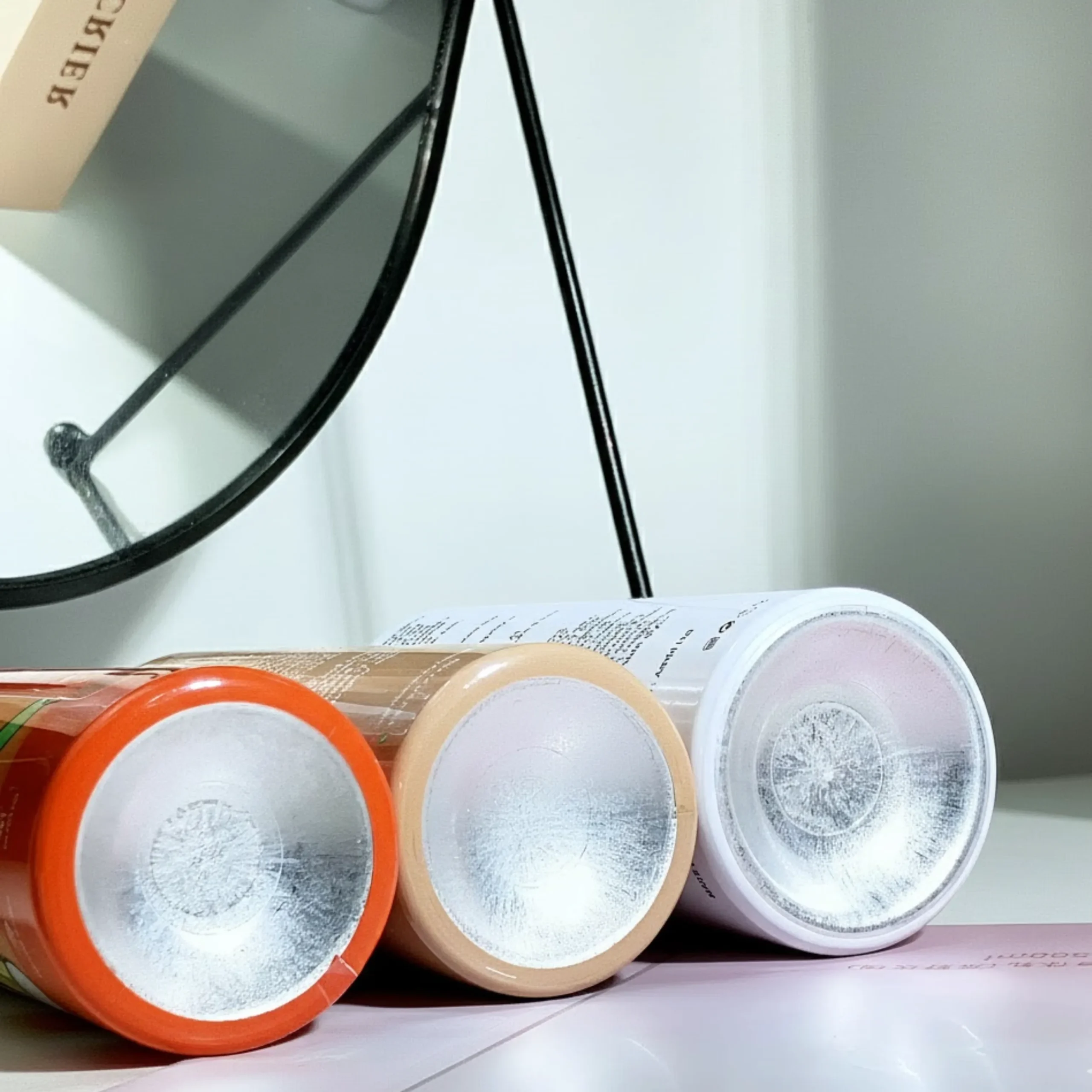 |
-Coloring
| Techniques | Advantages | Disadvantages | Image |
| UV Electroplating | Wide spectrum of color options with a premium metallic luster. Can be customized into Positive or Reverse UV to achieve distinct tactile experiences | Higher cost premium compared to standard finishes. | 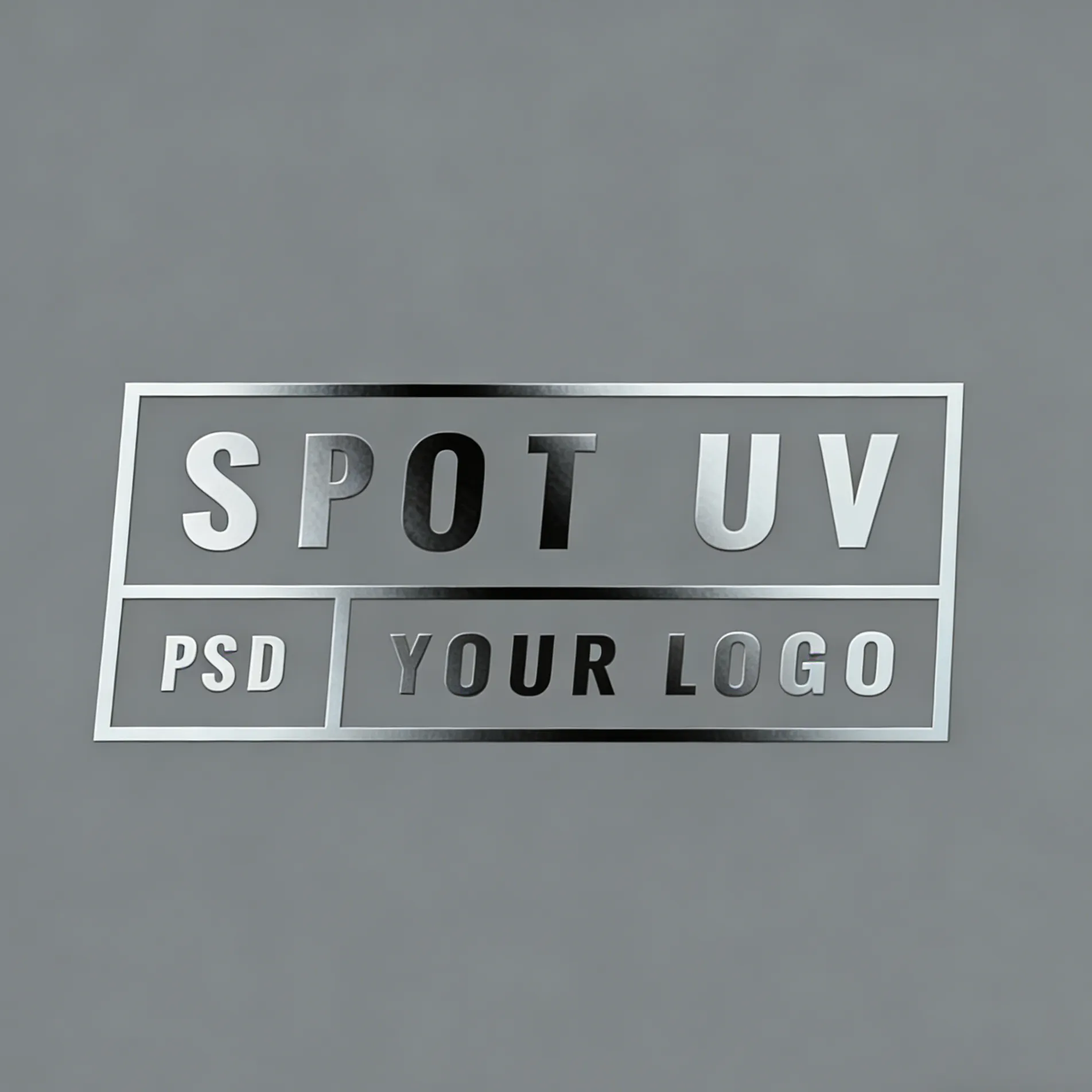 |
| Gold/Silver Hot Stamping | Delivers a luxurious, high-contrast and eco-friendly aesthetic. | Susceptible to surface scratching | 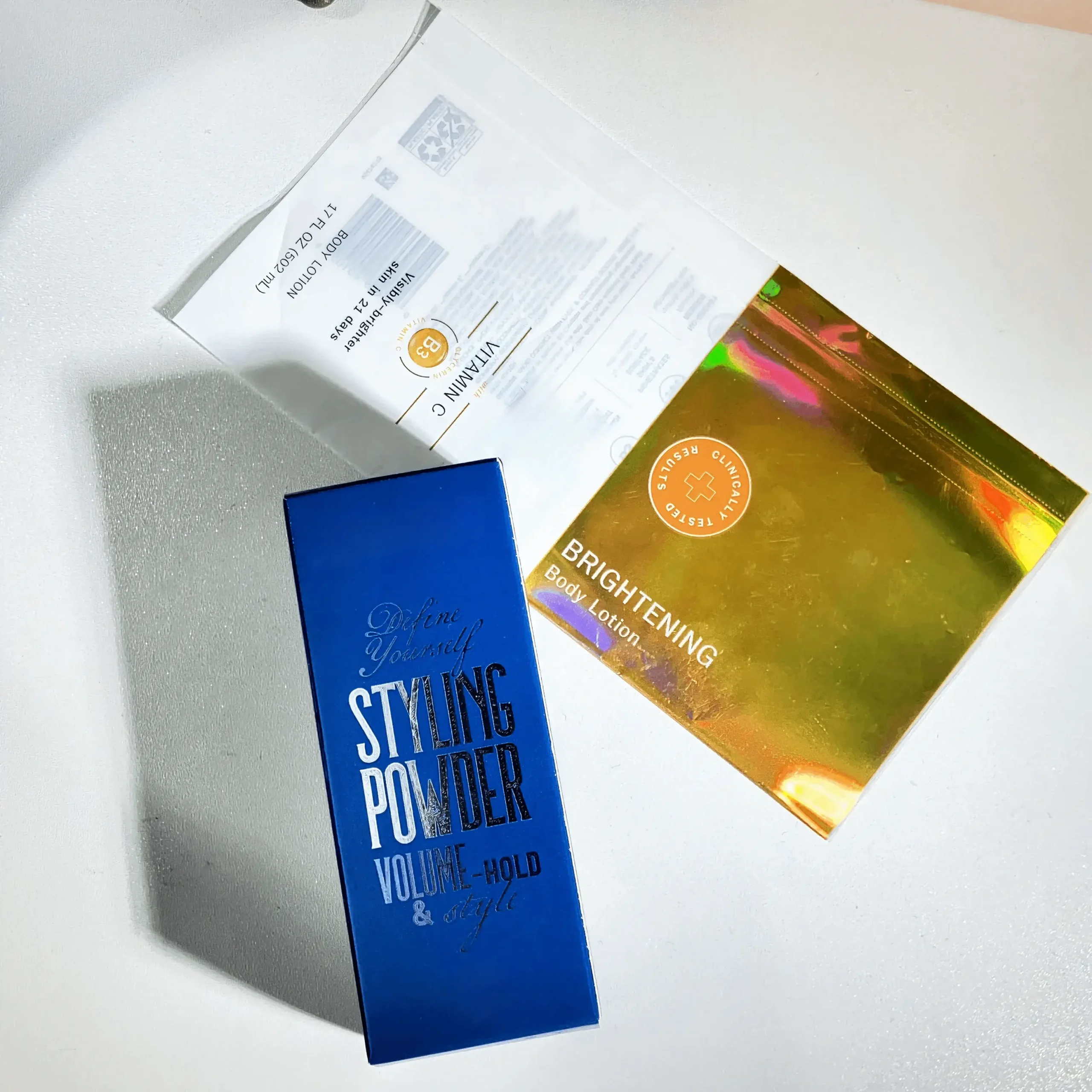 |
| Injection Coloring | Pigment is integrated directly into the material, ensuring superior color consistency across batches. | Less flexibility in color matching | 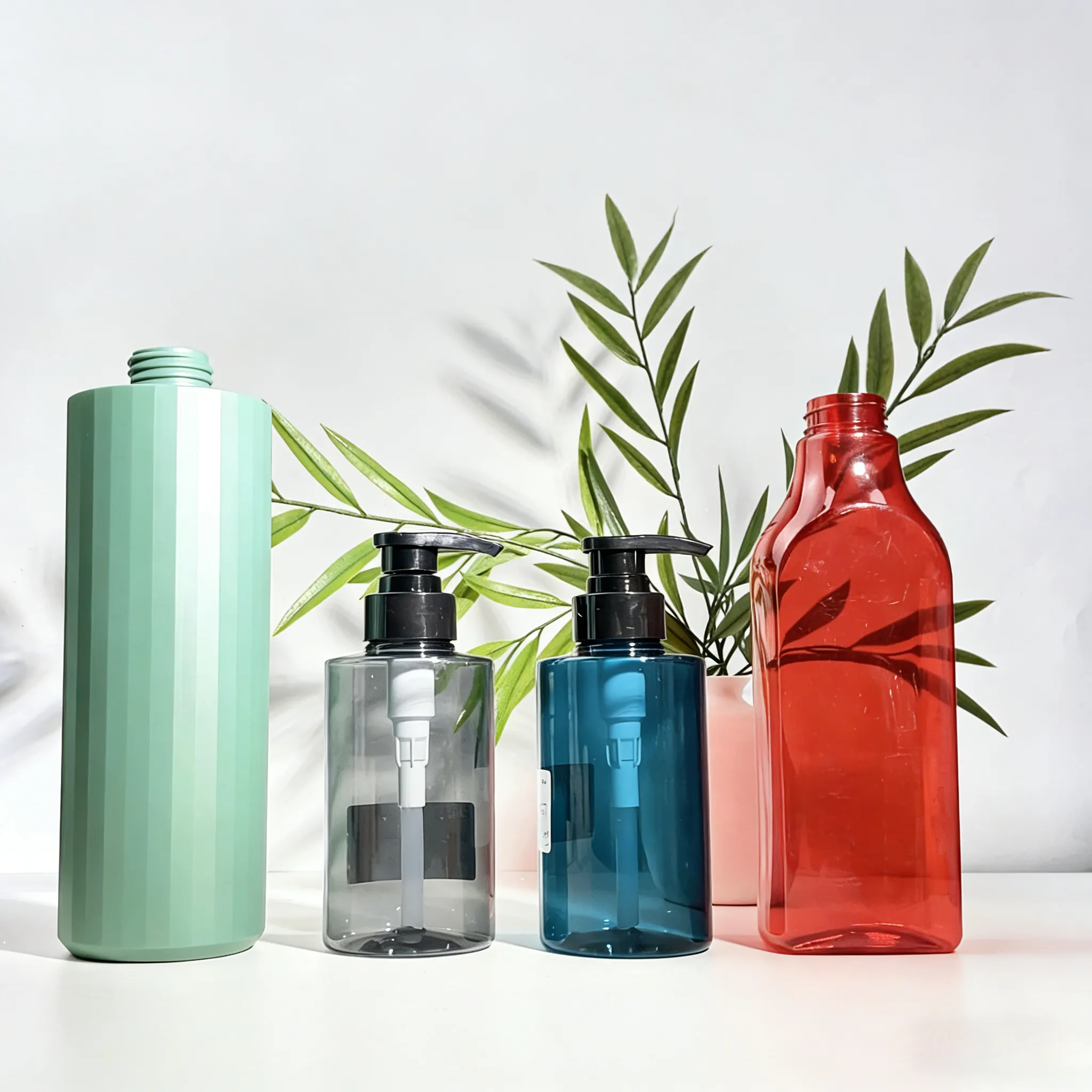 |
| Powder Coating | Color uniformity and superior durability | Only be used in the metal and limited gradient effects | 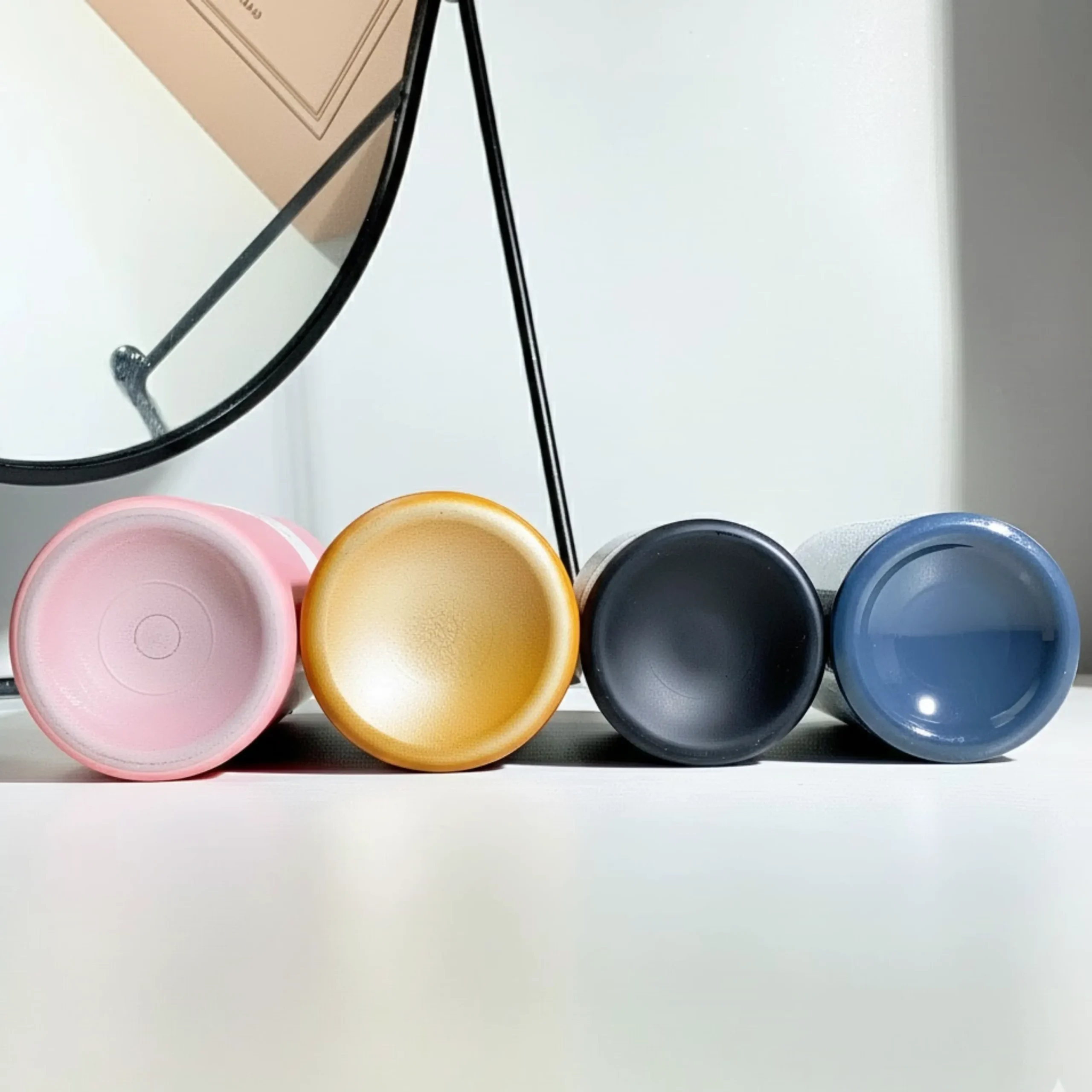 |
For more techniques, please contact a professional cosmetic manufacturer to explore further options.
5. Visual Design and Layout
Many beauty startups possess clear positioning and unique formulations, yet the key is to visually articulate these advantages on the packaging: create a recognizable logo with supporting graphics tied to product efficacy, select color with no more than 3 colors to avoid clutter and increased costs, and establish a clear information hierarchy, including the logo, product name, efficacy, ingredients, net volume, and usage instructions.
6. MOQ
When selecting packaging of cosmetics, controlling production costs is essential as unit prices fluctuate based on different MOQ tiers. To achieve flexible MOQs while optimizing costs, it is recommended to partner with manufacturers who possess a strategic advantage in specific cosmetic product lines. Their core strengths are primarily reflected in the following aspects:
-Inventory
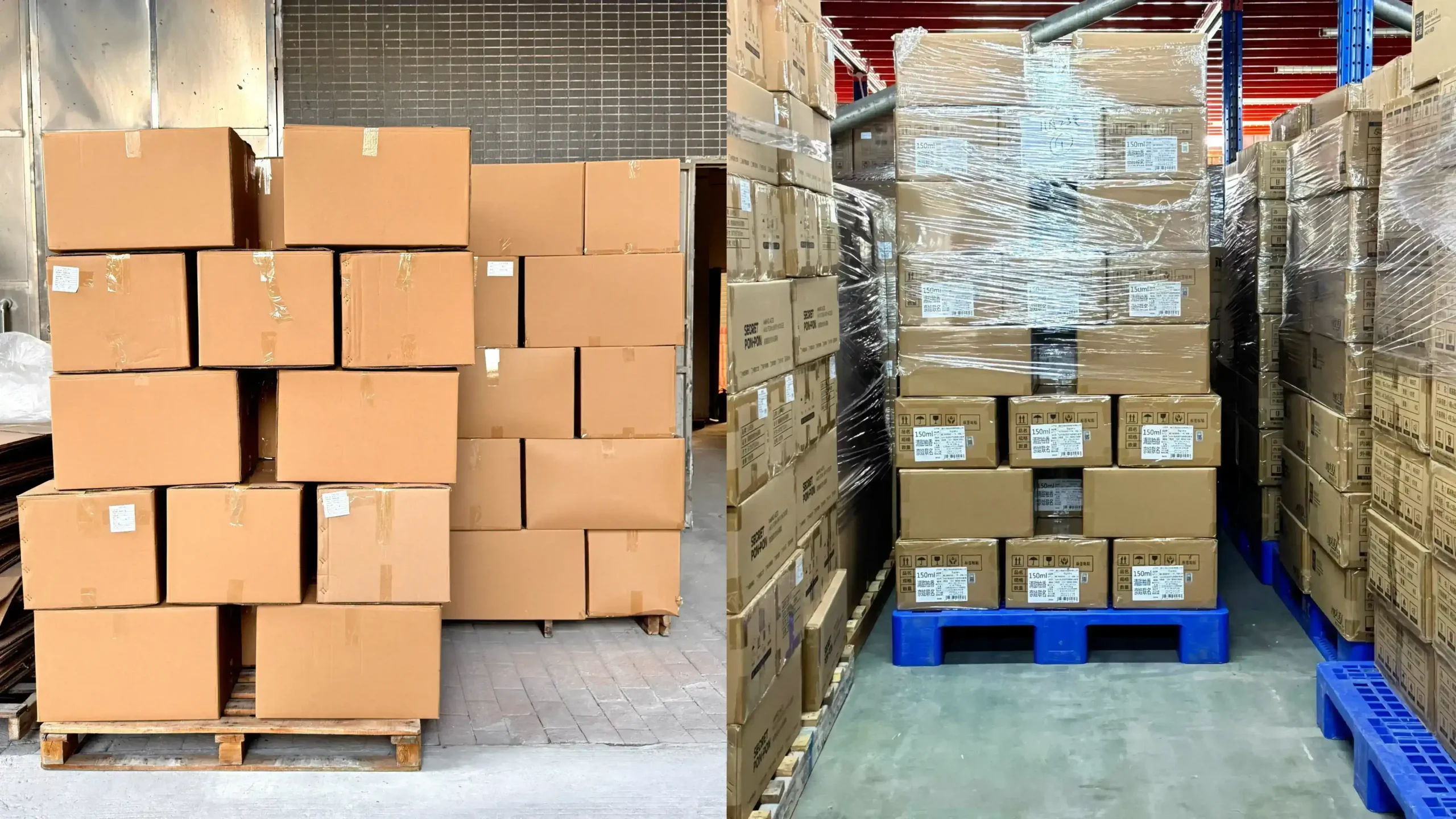
Factories with a strategic advantage in specific product lines, such as cosmetic aerosols, often engage in long-term, high-volume procurement and maintain stockpiles of standardized packaging components like cans, valves, and nozzles, as well as common chemical raw materials including alcohol, propellants, and film-formers.
On one hand, this large-scale and stabilized procurement grants the cosmetic factory superior bargaining power; on the other hand, maintaining robust inventory levels prevents production shutdowns, scheduling delays, or the need for high-priced emergency restocks during periods of peak demand.
-Production Lines
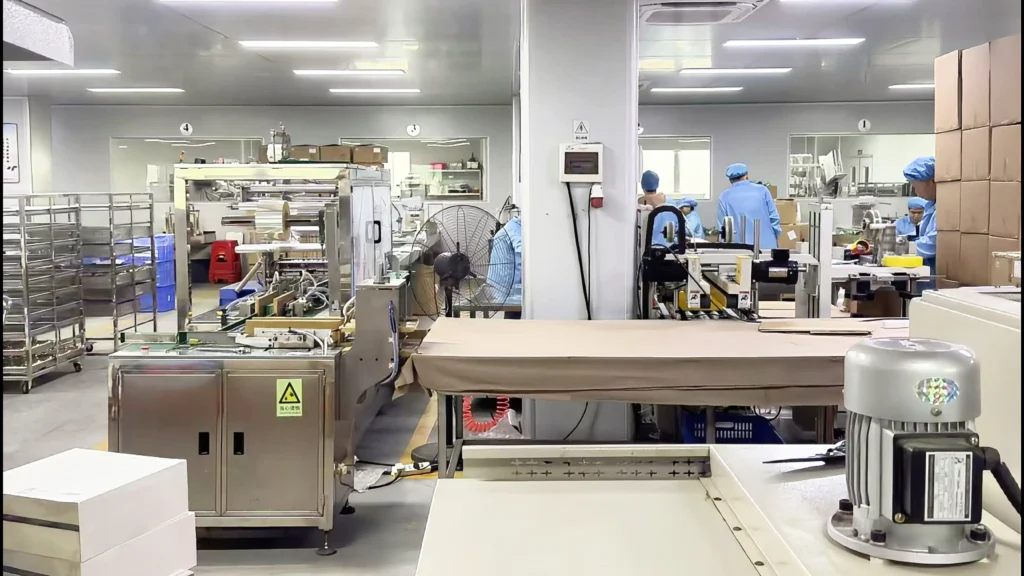
Cosmetic manufacturers typically operate multiple specialized, automated production lines for products such as aerosols, shampoos, hair masks, and essential oils. Their primary advantages lie in flexible scheduling and high efficiency. For example, a professional spray products corporation can pool orders with the same specifications and formulas onto a single line to amortize overall production costs.
Furthermore, high-efficiency cosmetic production lines allow for rapid transitions between products with minimal adjustments. For instance, the factory can quickly schedule your next product run by simply switching out raw materials and labels, which significantly reduces both production costs and lead times.
– Rich Experience
Typically, manufacturers specializing in specific product lines feature deep expertise in the manufacturing processes and risk mitigation. For instance, aerosol spray manufacturers can swiftly resolve technical hurdles such as nozzle clogging, unstable pressure release, or an unmatched formula with valves and propellants to significantly enhance the yield rate for mass production after sampling. Hence, this operational efficiency is also related to MOQs because higher yields and minimized waste result in more controllable production costs.
To verify a reliable partner, you should request compliance certifications—such as ISO 22716, GMP, or GMPC.
Chapter 3: Packaging’s Regulatory and Labeling Requirements
1. Market Compliance
When you plan to distribute your cosmetic products globally, you must understand the local regulations first. For instance, FDA mandates that the packaging of cosmetics must clearly display the product name, net quantity, directions for use, warning statements, ingredient list, and manufacturer, along with the country of origin.
Furthermore, selling your products in Middle Eastern Islamic countries (such as Qatar, the UAE, Saudi Arabia, etc.) requires Halal certification.
2. Promote Selling Point Legally
If you promote your product with specific claims, such as “Organic,” “Vegan,” “Cruelty-Free,” “Alcohol-Free,” or “Hypoallergenic,” it is recommended that you provide third-party certifications and supply chain documentation.
You can also request the cosmetic contract manufacturer to furnish CoA and other certifications related to raw materials, production systems, and product validation, such as ISO 22716, GMP, and Leaping Bunny.
Simultaneously, you must avoid exaggerating the efficacy. Consumers always prioritize authenticity over excessive marketing.
Chapter 4: Packaging Design Trends in 2026 – Sustainability and Experience
1. Sustainability
Cosmetic packaging design is no longer limited to aesthetics but must also manifest environmental sustainability. According to the 2025 Sustainable Packaging Report released by the SPC (Sustainable Packaging Coalition), “sustainable packaging” has been transferred from “differentiation” to “standard.”
For cosmetic contract manufacturer, there is a growing trend toward using biodegradable plastics, recyclable metals, and packaging materials derived from agricultural waste. Simultaneously, It is a strategic consideration that we should eliminate instruction leaflets, plastic bags, and inner trays, and instead use sturdier packaging with the usage instructions printed directly onto the material.

2. User Experience
Customers expect a superior visual and tactile experience when purchasing a product. You can utilize various techniques on the packaging—such as embossing, hot stamping, and UV coatings — to differentiate various pieces of information. It is also highly effective to print a QR code on the packaging to link to product usage tutorials, thereby making it more convenient for the customer to use the item.
Chapter 5: Collaborate with Cosmetic Contract Manufacturer
As a cosmetic manufacturer with over 20 years of experience in the beauty industry, we deeply understand the challenges clients face in custom formulation, packaging cosmetic design, and custom manufacturing.
CARISSA is a one-stop cosmetic contract manufacturer, and we specialize in developing your beauty product from scratch. Contact us today to receive a competitive price and free samples, and help your product secure an early competitive edge!